• Chiastic Poetry
  • The Strange Sum of Things
  • Poems
  • Songs
  • Sea to Sea
  • Animagus Extinctio
  • Psalm 37 Menagerie
  • Butterfly Glory
  • Books
  • ABOUT
Menu

Jeff Reed

1141 Bont Lane
Walnut Creek, CA 94596
Phone Number
Wind in the Reeds Poetry

Jeff Reed

  • Chiastic Poetry
  • The Strange Sum of Things
  • Poems
  • Songs
  • Sea to Sea
  • Animagus Extinctio
  • Psalm 37 Menagerie
  • Butterfly Glory
  • Books
  • ABOUT

Music Passes From Ear to Ear

November 20, 2021 Jeff Reed

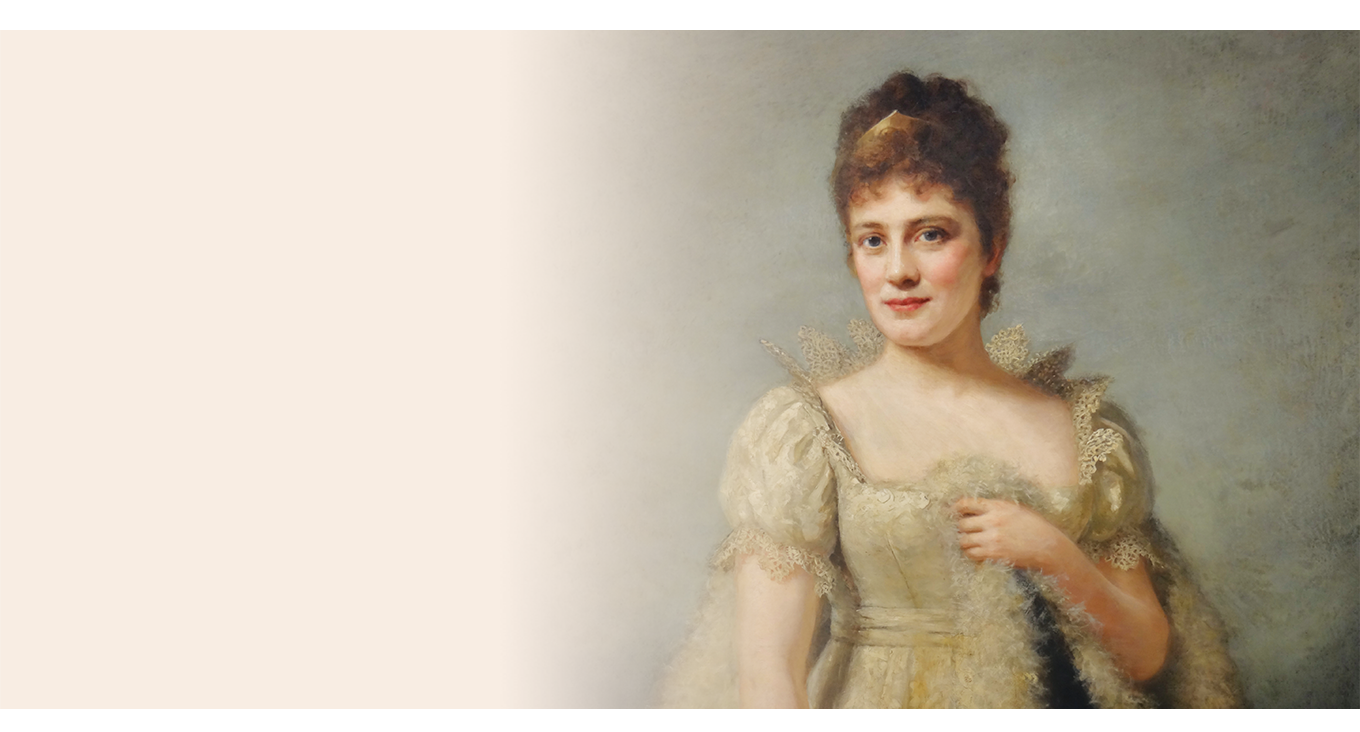
Lilliana Nordica, world-famous opera soprano, was born in Farmington, Maine, in 1857.

Music Passes From Ear to Ear

Farmington, Maine


Music passes from ear to ear,

along the streets, year by year, 

a stretched band that bunches 

the shirred pleats of time’s heavy curtain

opening and closing on the ever changing stage.


Childhood memories age and slip,

loose and rattling in their assigned spots.

Forgotten lines, broken props,

ambivalence heightens in the eldritch light 

of Nordica Auditorium’s night


where local ghost hunters

whisper and wait for particles of the past

to reassemble in mysterious

bursts of breezes up sleeves

and knocking noises up in the rafters.


Hear him come, the first Town Clerk,

Maine’s Handel, old man Belcher,

harmonies drift down from the balcony

carrying the voices of Pierpole’s children,

perfect in pitch singing the Psalter.


Here she comes, Farmington’s Diva,

Lilliana whispering now that she’s dead,

enough her soprano arias still

echo across the song halls of Europe, 

Violetta and Elsa, Isolde and Venus

in obdurate encore under the stars.


Hear the strains of the professor playing 

piano playing Liszt playing Beethoven 

playing a walk through the countryside

into the storm and out again.


Every age is a city on a fire,

Pleasant Street choking on smoke 

in the burning of what is passing away,

leaving behind an altered world,


the allegretto, the shepherd’s song,

the  legacy of the chrysalis

for all who will not dull the sound,

who will not close their eyes to this

nor muff the ear to dampen down

the music of the march that must be made

by time’s inevitable town parade.


NOTES:

  1. Nordica Auditorium is a theater in Merrill Hall on the campus of the University of Maine at Farmington, which carries a folkloric reputation for being haunted by the ghost of the famous opera singer Lilliana Nordica who was born in Farmington in 1857.

  2. Supply Belcher is an important early figure in the history of Farmington.  He was well known as a composer and choir director and was rumored to have taught music to the children of an important local Native American leader named Pierpole.  He published a collection of his compositions called The Harmony of Maine in 1794.  He became Farmington’s first Town Clerk in 1798.

  3. Farmington-born opera sensation Lilliana Nordica took Europe by storm in the late nineteenth century, well remembered for roles such as Violetta in Verdi’s La Traviata and for Wagner heroines such as Elsa, Isolde, and Venus.

  4. I appreciated watching an on-line performance of Liszt’s transcription of Beethoven’s Sixth Symphony by Music Professor Stephen Pane of the University of Maine at Farmington .  There are five movements in the symphony. The movements in order are allegro ma non troppo ("Joyful Feelings Upon Arriving in the Country"), andante molto mosso ("By the Brook"), allegro ("Peasant Merrymaking"), allegro ("The Thunderstorm"), and allegretto ("The Shepherd's Song After the Storm").

  5. The town of Farmington was nearly destroyed by a catastrophic fire in 1886 that raged down Pleasant Street.  The fire was started by a spark from a train.

  6. Perhaps Farmington’s most famous historical citizen is Chester Greenwood who invented  earmuffs in 1873.  The city holds a parade in honor of Chester Greenwood Day every year on the first Saturday of December.
1 Comment

To Fall into Gallop

October 23, 2021 Jeff Reed

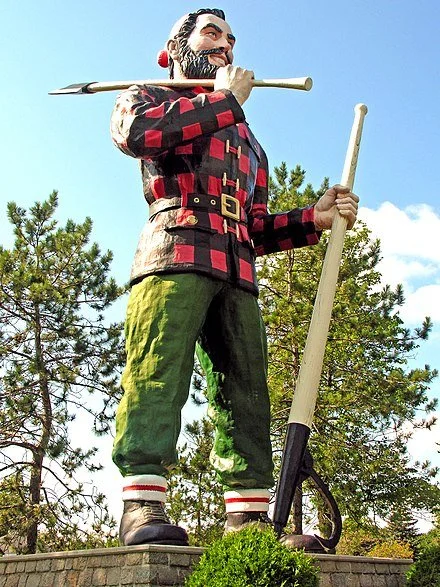
The 31-foot Paul Bunyan statue at Bass Park, Bangor Maine.

To Fall into Gallop

Bangor, Maine


The earliest stories peg Paul Bunyan

a seven-foot muscle-bound marvel in plaid.

But now his feet leave lakes in their wake, 

head in the clouds, whole forests sheared

with one devastating sweep of his axe,

the mountain tops tickling Babe’s blue belly.


I once saw a Big-Leaf Maple leap 

from sprig to tree in a single spring,

a six-foot stretch in a three-month span,

gulping in the sunlight’s glare

as a galloping thoroughbred sucks in air,

the racetrack thundering at the final turn,


steady crescendo from start to end,

swelling as cotton left out in the rain,

as discontent can pressurize

into a volatile midday mob 

incensed at Emery’s editorials,

throwing his press out the fourth-story window,

a rotating aerial accelerating into

the merciless cobblestone waiting below,


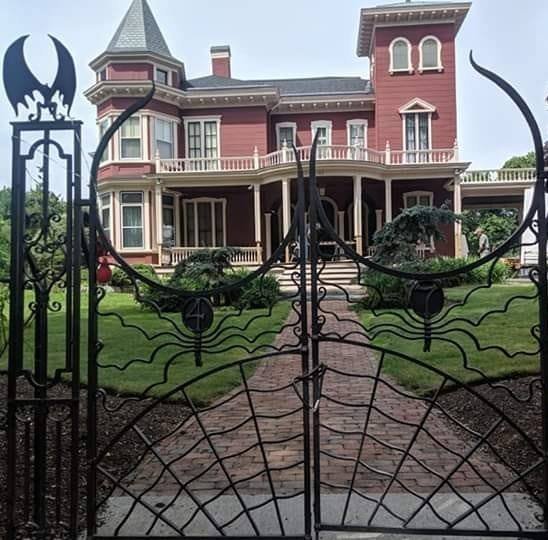
       not far from where now sits a house

       surrounded by a bat-winged gate

         where Stephen King once churned out novels

         at a rate of two thousand words a day, 

     burgeoning sales in the hundreds of millions,

       mimicking the stampede of lumberfeet

        that once roared through Bangor’s port

         like a wild horde of mares in heat.


The tumbling rock, the launching rocket,

all of it wanting to fall into gallop. 

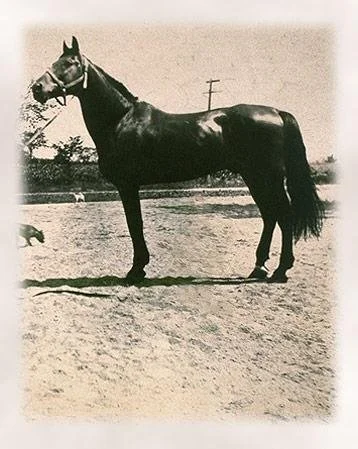
Even the trotters are out breaking records--

Nelson at Bass Park in Ninety-One.

I wonder how they’ll tell his story, 

gathering together  their children’s children,

how in mid-race he began to rise

pulling his sulky up into the skies

over the northeast Penjajawoc woods,

pureeing the low-lying clouds into mist

with the powerful kick of his air-whipping hooves.


NOTES:

  1. The more fanciful versions of Paul Bunyan find their roots in the work of William Laughhead, and in particular can be traced to a promotional pamphlet he produced for the Red River Lumber Company in 1916.

  2. The mob incident described in this poem happened in August of 1861. The provocative editor of The Democrat was Marcellus Emery.

  3. Stephen King lived in Bangor from 1979 to 2016. See the picture of his house below.

  4. Bangor was a key lumber export city in mid-nineteenth century, with 150 saw mills along its river, and 150 million lumberfeet annually passing through its docks by 1860.

  5. Nelson (see below) was a world class trotting harness race-horse that clocked a world-record mile time on the half-mile Bangor horse racetrack at Bass Park in 1890.

Stephen King’s house in Bangor, Maine from 1979 to 2016.

Nelson the world class harness racing horse.

2 Comments

Sings the Stories that Run the River

October 4, 2021 Jeff Reed
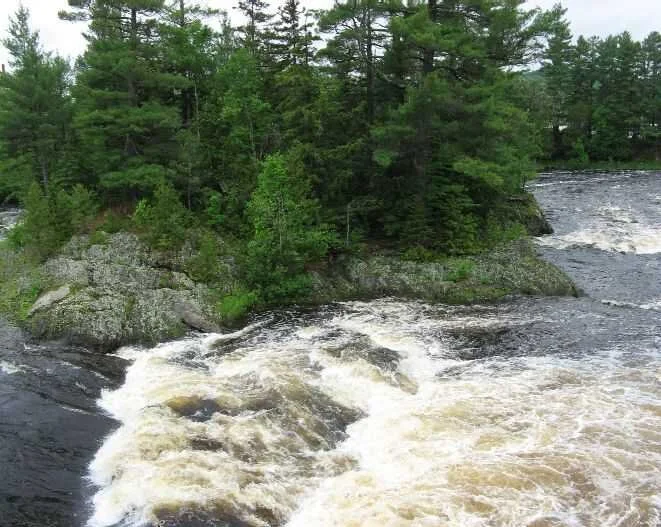
Mattawamkeag River, Maine

Mattawamkeag River, Maine

Sings the Stories that Run the River

Mattawamkeag, Maine


A river with many rocks at its mouth 

sings the stories of the roll-by ages,

the tumbling heartbreak, the wonder in its gurgle,

a blur of the world as a river on its way is.

Sings the swish of the tail of a White Perch

swirling the ink of Aspen shadows,

feasting on crab and the burrowing mayflies

       nestled in the warmth of the sidebar shallows.

Sings the sighs of captive John Gyles

stolen in the wild of an ambush raid,

blessed with the last breath of his dying father;

nine year river rambling day after day.

Sings the tiptoe cadence of the white-tail,

between each cautious step a still-hold,

listening for coyote, listening for the mama bear

fishing in the river, cubs half a year old.


Sings the Indian, sings the settler,

clashing of music as broken treaties will.

Hear the crackling flames underneath

the collapsing roof of John Gorden’s mill.


I am traveling from town to town in Maine in my imagination, listening to and learning the stories that belong in each place. The town of Mattawamkeag in Northern Maine is named after the river by which it sits, an Indian name meaning roughly “river with many rocks in its mouth.” Englishman John Gyles was led captive up the Mattawamkeag River in 1869. You can see his story here: https://www.canadiana.ca/view/oocihm.04813/3?r=0&s=1. The mill of John Gorden was burned down in 1812 by Indians in retaliation for broken land treaties.

1 Comment

How Far We Will Be Borne

September 20, 2021 Jeff Reed
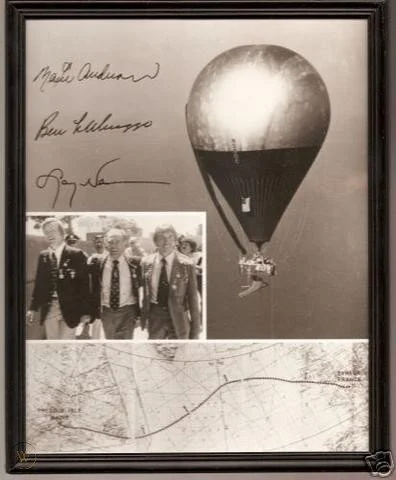
The 1978 voyage of the Double Eagle II was the first transatlantic balloon crossing

The 1978 voyage of the Double Eagle II was the first transatlantic balloon crossing

How Far We Will Be Borne

Presque Isle, Maine

_________________________________________

To say yes to wind is to know

the freedom of the samara spinning,

untethered trust without propeller or wing,

no thrust of engine fire to defy 

the whim of the wild currents.

There is only resigning to the roughshod push 

and the rushing magnificent plunge.


Helium-filled Double Eagle Two

will do in six days something 

never done before:

reach the Continental shore

from a humble Presque Isle field

by yielding to the unseen

stream of sky, a bobbing twig 

fragile in the cloud-froth rapids 

sweeping across the immensity

of blue on layers of swallowing blue.


To be carried to Miserey,

to land alive in a field of wheat--

this is what we were made for,

to look eagerly over the lip

of our woven baskets to see

the fields patterned plaid

beneath our rocking nest,

wondering how far we will be borne

until our ballast fails and we

bump down, skidding our heels

in the warm brown furrows of earth,

and there to see our stories like seeds

lodge deep, grow old, and blossom into trees.


1 Comment

The roiling mist clouds

July 15, 2021 Jeff Reed
nature-3318389_1280.jpg

The roiling mist clouds

rolling up and out off

the battered river face

pummeled beneath

Snoqualmie Falls’ 

thunderous grace hold

this morning’s angled light

as a perfect rainbow arc

curved with geometric precision,

steady, stoic, elven charm

unperturbed by the chaotic

canvas upon which (or above 

which or within which) it 

broadcasts its confident calm,

as sure, as unyielding as it is

permeable vapor, my pebble 

through its belly with impunity,

tumbling downward to thrashing 

white caps playing the foil, oblivious 

of the glory under which they toil.


Comment

Season of Dragonflies

May 17, 2021 Jeff Reed
IMG_4005.JPG

Season of Dragonflies

In memory of my beloved Dad (1937-2020)


A blue dragonfly today

passed by on her way up and

over the fence and into the 

unreachable unseen

where you have been

ever since last fall

when you surprised us all

by taking your last breath

fully dressed, keys in your pocket,

starting the day as any other,

and then sneaking off it

like a mischievous schoolboy

having heard a strange bird

beyond the backstop, ignoring 

the padlock to go out after it.

Mom was shocked 

to find you seated

so peacefully 

upon the couch,

hands on your lap,

head laid back, 

dry mouth open, 

a shell unruffled,  

quiet as a cellar, 

dancing blue eyes 

vacant as a sky 

above Arizona.


We wondered why

with everything so tidy

one of your shoelaces 

was left untied.

Had you noticed?

Or not had the wherewithal

to bend that far down

and tie up loose ends?

Why tie a string

 on a melting thing? 

No one cares 

to lock the door

running out of

a house on fire.


Your chariot came quickly.

Elijah was laughing

as he waved you on board.

You touched the wood trim,

wondering how it was laid,

and thinking for a moment

of ways to improve your 

own Solomon’s porch,

but the torching flame

and the snort of horses,

the old weathered hand

(that had raised up a child

and waved down a fire-strike

on the over drenched altar)

now reaching to lift you

up off the cushion

dissolved any last minute

kind hesitation--

I know you were thinking

of your Lily in the field--

how her petals would wither

in the blast of the exit.


A dragonfly kissed me

in a land far north. 

I think your chariot 

had burnished its wings

a glistening auburn;

it found my lips balm

to the awfulness of glory.

I am still waiting

in the calm of the storm

to cry as I know 

I must one day cry.

The green in my world

is radiant with praise,

and the breezes are gentle

that keep the world shimmering

with whispers that Life

is everywhere spilling 

over the low frazzled hedges.


You are so close. 

This veil between us

is the width of a membrane 

that circles a cell. 

Why it is I cannot tear it, 

or slip by its edges, 

or why you don’t trespass

in clandestine a manner 

as the day that you left us

with all of the tools now 

at your disposal--

this is something 

I cannot understand.

But the season of dragonflies

will soon be upon us. 

I tie my shoes 

for a meandering walk

along the shores 

of Lake Sammamish,

watching the lip

 of clear cold water

bobble and tease 

at the pebbled shore,

mocking the arbitrariness of lines

while holding itself back 

a little bit longer,

lapping a pattern, 

a morse code of promise

that fences and padlocks 

and veils and membranes 

and lake ripples held

by their guardian banks

are all of them nothing

but houses on fire 

lit by the chariots 

everywhere descending 

in dragonfly aerials

dancing through the smoke

rising higher and higher.


For eight months since my father’s death I have wanted to write a poem to process his loss and have been unable to write anything. Until yesterday. I was outside on a beautiful day, weeding our gravel driveway with my Dad’s hat on my head, when suddenly I felt the urge to write a poem. I wasn’t even thinking of writing a poem about Dad in particular. I sat down in the shade (still wearing his hat and somewhat unconscious of the fact) and I began to write words prompted by the dragonfly that had earlier flown by us and of which I had taken notice. The dragonfly has been a poignant symbol of my Dad (and the hope of resurrection) ever since one bumped into my mouth on the day that he died. Today I feel an overwhelming sense of joy and relief and wonder and sadness (all mixing together) at the gift of this poem to me that has somehow (finally!) captured my elusive insides, along with the great esteem and affection with which I think of my Dad, along with the hope inside me that the veil between us will one day melt into smoke underneath the joyful dancing of the dragonflies!

 
7 Comments

Easter Morning Allegro

April 3, 2021 Jeff Reed
Digital Painting by Karen Hoyt

Digital Painting by Karen Hoyt

Easter Morning Allegro


The hose end dropped into the pail is all a wobble,

feeding the round and around itself current.

The urgent swirl and swell rushes the rusty rim

overrunning the boundary with joyful abandon!


Crocus buds bursting, opening wombs, 

crumbling tombs, the curse reversing, at last in retreat, 

the chrysalis ripped by the riotous wing,

the face of the frozen puddle in the street 


holding its breath is fracturing.


The earth torn open!  The heavens are rent,

unleashing an avalanche unable to be spent,

its blizzard of blossoms crowding the wind

with dragonflies darting out and in.


Up from the canyons, down from the sky!

There is nowhere for the shadows to hide 

from this onslaught of Life and the tumbling Love,

nothing in their wake of the dark that was,


disintegrating in the press of Light

breaking the glass, splintering the wood,

tearing the curtain, the eighth day turns into

everything turning into everything good.


6 Comments

Equanimity

October 31, 2020 Jeff Reed
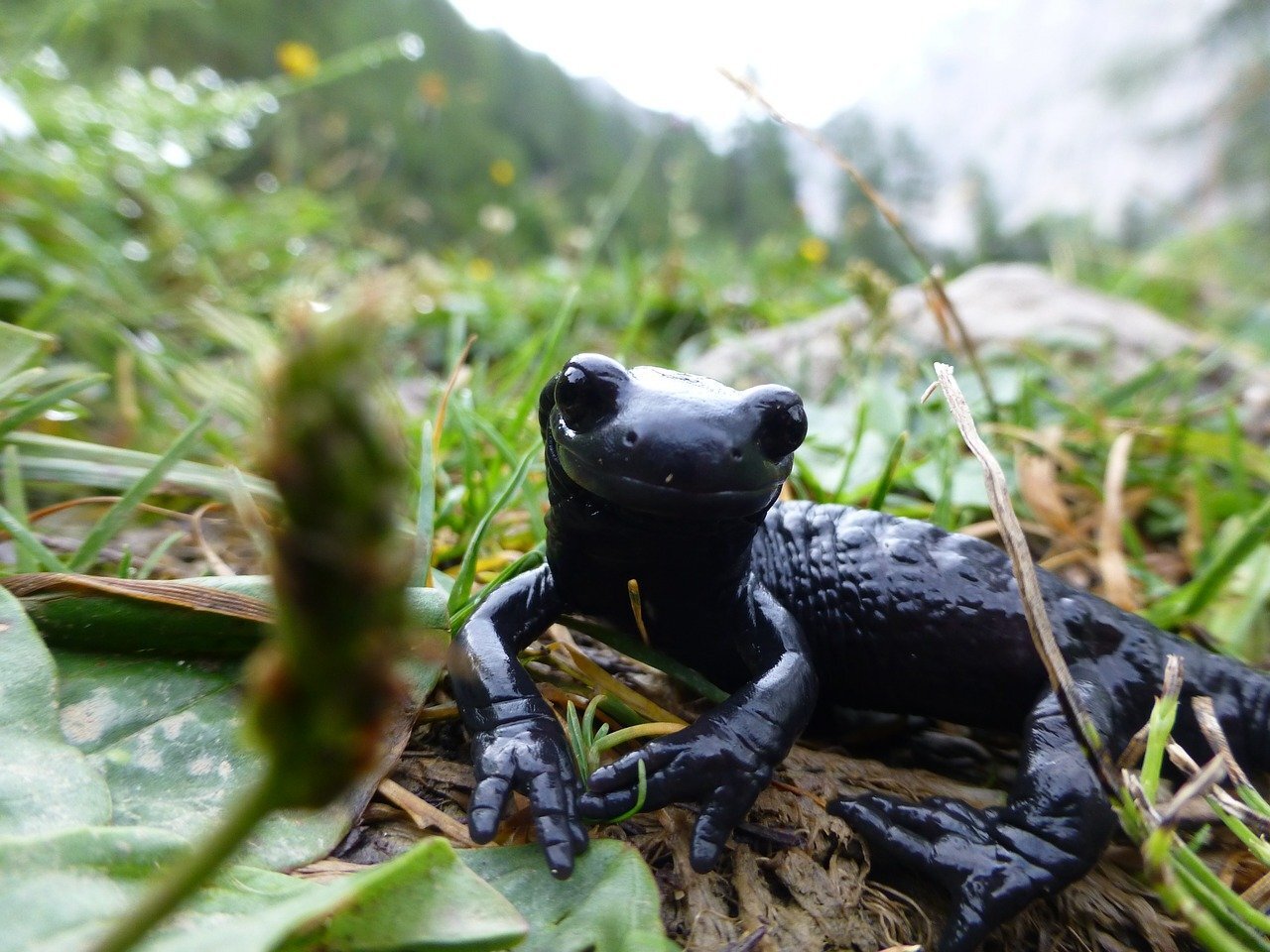
Alegria2014 on Pixabay.com.  Common Creative License.

Alegria2014 on Pixabay.com. Common Creative License.

EQUANIMITY

The salamander I uncovered

suddenly while tossing away

the alder billet once his roof,

exposed in an instant to the day,

naked without sting or scale,

looked at me with alien eyes,

head at a tilt, a curious gaze

absent any hint of fear

or bother or hysteria,

placid as if all the day

were his to laze upon his perch

alone atop his wet wooded world.

Were it so that we were heir

to such a state of self control

and unfazed equanimity 

at each surprise, the sudden turn

where without warning we look up

to see Goliath towering tall,

our fragile order in his hand.

A poem for all of us as we head into this much anticipated election week. May we aspire to the nobility of the salamander in the midst of such dramatic hand-wringing and doomsaying all around us.


2 Comments

Great Blue Heron

October 10, 2020 Jeff Reed
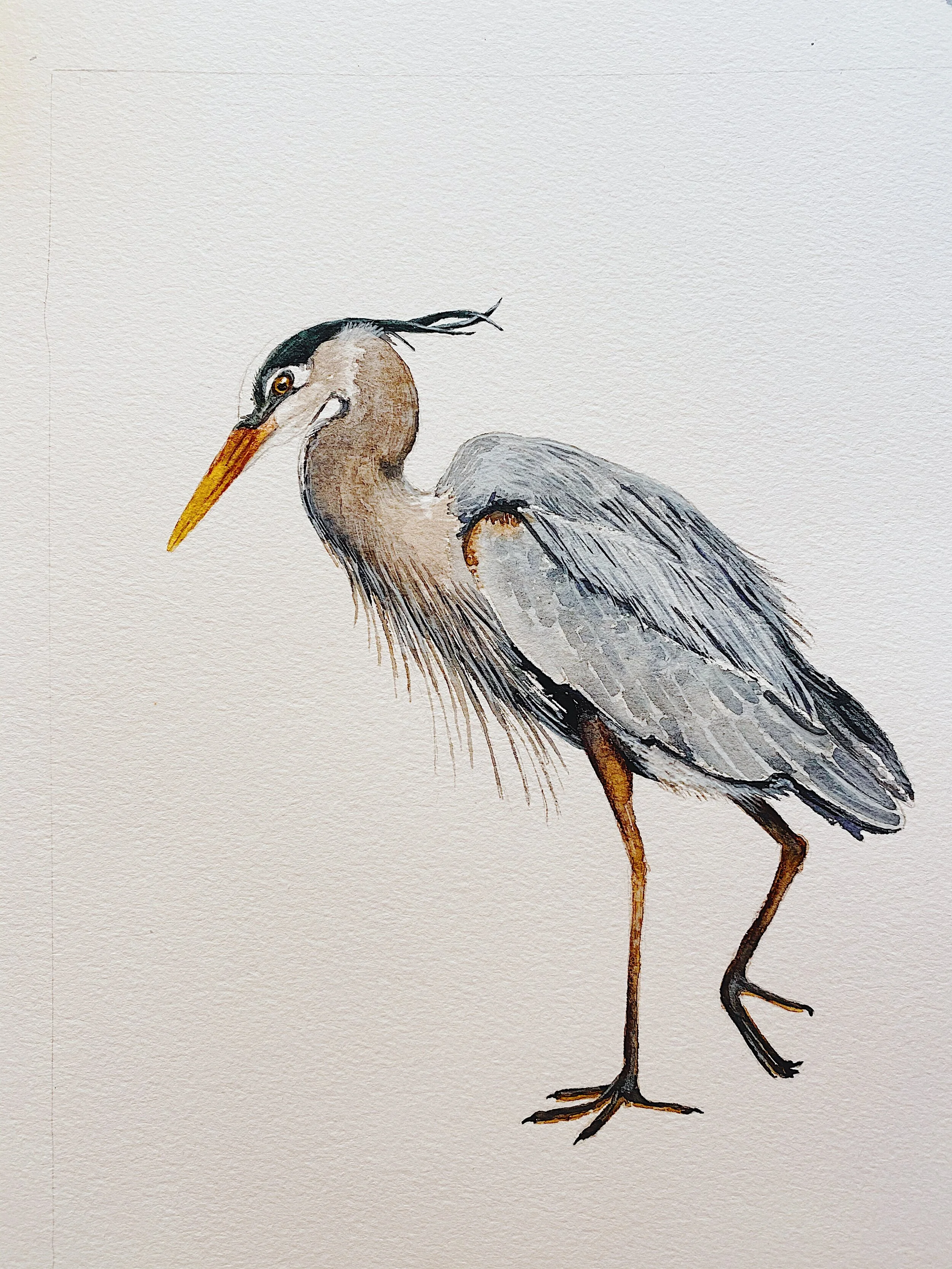
Great Blue Heron by Randi Reed-Sanders. Watercolor. 8” x 10”

Great Blue Heron by Randi Reed-Sanders. Watercolor. 8” x 10”

Great Blue Heron

Time begins to slow the longer one waits,

and crawls to a stall the nearer it comes to the goal.

Some, so close, end up abandoning the whole

quest under this pace that suffocates

the straining hope.  It’s like a man who wades

out against an incoming tide that rolls

him back and grinds him into the shoal,

for all his thrashing, only to capitulate.


Were I more like the heron I could bide

my time, easy going on gangly stilts 

above the swells and churning clouds of silt

ready to spear the dream as it swims by,

instead of trying to hurry things in my

vain attempts to push the ocean aside.


2 Comments

Are We Not Holly

August 8, 2020 Jeff Reed
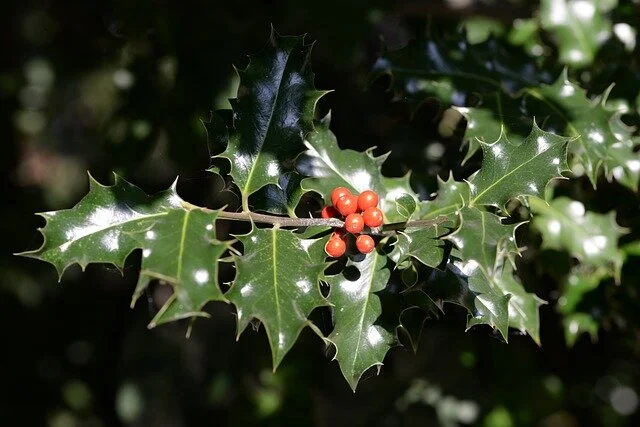
holly-494420_640.jpg

Are We Not Holly,

in the beginning

pliant and supple, 

soft eager sprigs, 

yellow-green in morning sun, 

innocent counterfeits 

of what we are 

destined to become,

hardening through 

the passing seasons 

into pointed shields, 

daggered dark green 

medallions of shiny isolation,

garnished with red jewels 

casting an illusion of elegance

over our stiff battalions 

standing at attention

and ready for war?


This lament seems appropriate as today we are watching adults in our politicized pandemic-stressed environment lash out at one another in fits of anger. And to think these people who now despise each other across whatever aisle might very well have once played with one another on a playground somewhere, sharing toys, laughing, oblivious to differences that would one day matter so much.

4 Comments

Happiness Falls in Such Unequal Measure

July 20, 2020 Jeff Reed
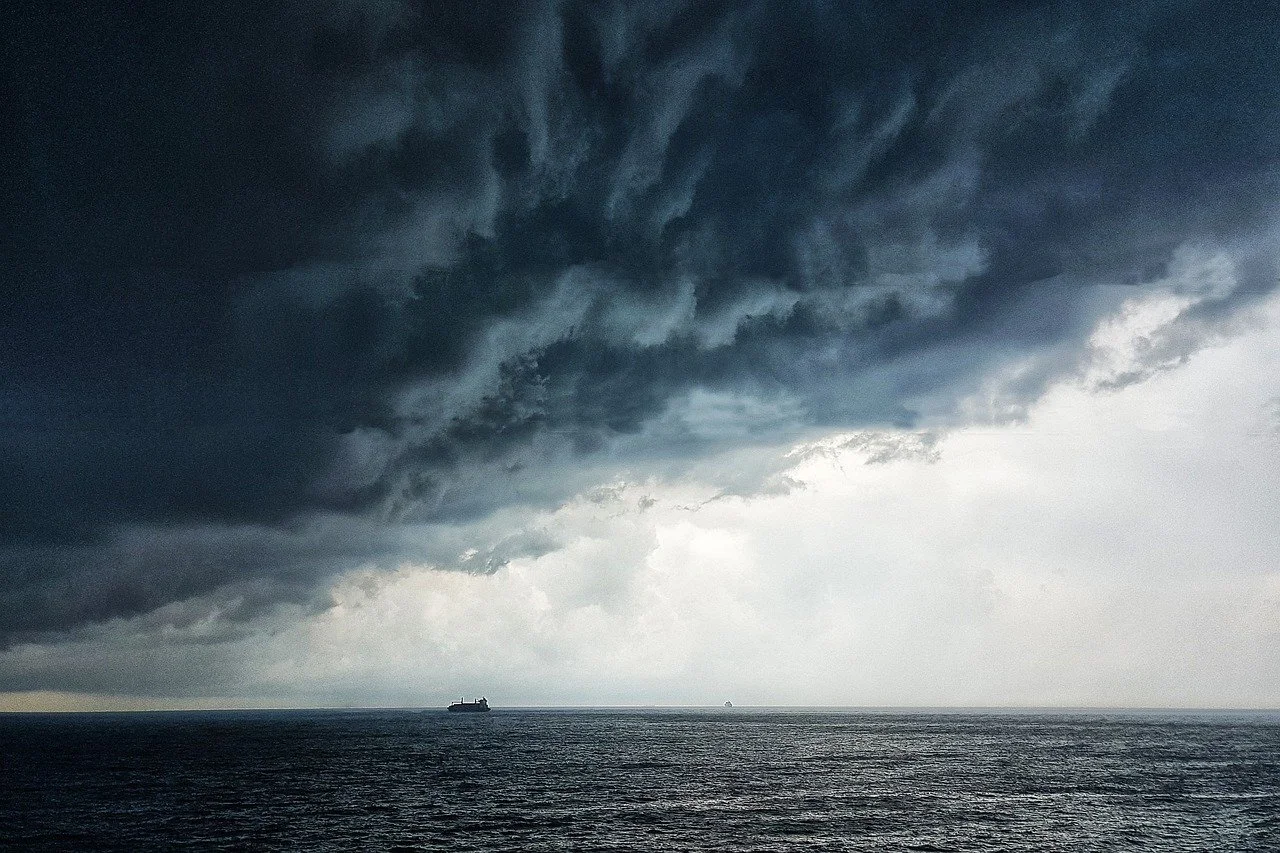
Photo by Dexmac on Pixabay.com.

Photo by Dexmac on Pixabay.com.

Happiness falls in such unequal measure

like scattered showers, the fuzzy demarcation

between the blessed and cursed a random riddle,

even grotesque, as the gasping brown field

futilely grasps at overhead clouds passing,

while within sight the lush hilltop trees 

drip in excess, a wasteful carousal of wet.

Yet to the patient underground river all

the widespread cast is finally gathered together,

swelling the cramped aquifers with promise

that there will come one day the cold slow drink

to slake the bitter thirst and to erase

the nightmare haunt of clouds that swung down low

heavy with the water they refused to give away.


2 Comments

Solidarity

June 20, 2020 Jeff Reed
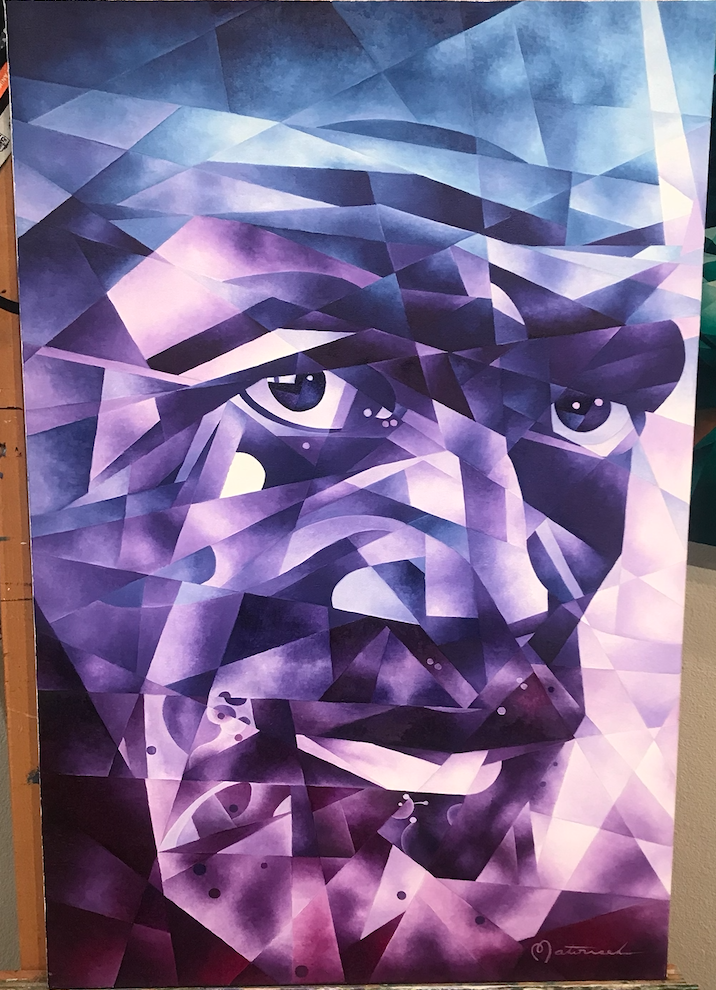
“Kairos” by Tom Matousek, 36x24, oil on canvas.

“Kairos” by Tom Matousek, 36x24, oil on canvas.

Solidarity

        For Bill


Delete him from

the story of the world,

restart, and find

missing as well

the wild pansies,

plums and firefish,

apatura iris 

fluttering over fields 

of lupine and foxglove, 

sea star and amethyst,

honeycreeper tag

through jacaranda trees,

columbine colonies

hiding in shadows

of mountains at twilight,

the innermost band

of every rainbow’s

ancient promise, 

every John Doe,

every solace.


A Word About the Poem: This ekphrastic (language responding to image) poem speaks to the image in Tom Matousek’s painting above entitled “Kairos” (see more on the painting below). The poem’s title adopts the word “solidarity”, a concept front and central in the current national conversation about race, and utilizes it to suggest the mysterious connectedness of all life, imagining that the loss of one person in the world (in this case a nameless, homeless, elderly black gentleman) causes the concurrent loss of a whole network of connected realities. Because Tom has chosen to use purple in many shades as the representative color of this character, I imagine that this person’s violent loss (deletion) by the swipe of some capricious wand is simultaneously causing the loss of all sorts of beautiful “purple” realities in the world, including the dismantling of the rainbow, which heightens our sense of alienation from the idea of divine security, amplified in every anonymous person’s loss, stealing life from all of us (“solidarity” in its deepest sense). This poem is an echo of John Donne’s famous lines, “Do not send to ask for whom the bell tolls; it tolls for thee.”


A Word from the Artist: We all come in different sizes, shapes and colors and everyone of us is important and necessary for the completion and beauty of the overall picture. I’ve left one block permanently unpainted to demonstrate this, in the shape of a sideways tear below his right eye. My first thought was to paint George Floyd and, while we should not and will not ever forget him and the countless other lives taken too soon, for this exercise, I wanted to try to help focus our attention forward and on how we view one another. So I painted a man who is homeless and whose name is unknown in hopes that, if he ever saw this painting, he would feel joyful knowing that his image is the subject of something beautiful and that his role is important and valuable in the big picture. I call this painting ‘Kairos,’ and it’s a tribute to Bill. —Tom Matousek


2 Comments

The Day Everything Changed

March 30, 2020 Jeff Reed
Image by Dian Minchey at Pixabay.com.

Image by Dian Minchey at Pixabay.com.

The Day Everything Changed

We wake on this mild March morning

expecting the maple branches at last

to break out their long-awaited virgin leaves, 

to cast a blackcurrant canopy 

over timid crocuses and daffodils 

periscoping up through the unkept rough

to see if winter mischief has had enough and given up.

We look during a lazy late afternoon break,

eager to catch glimpse of the luminescent thief of Spring,

the sheen of glowing green overrunning the tired hills,  

stealing in plain sight the brown wet blanket 

of dead weed and matted leaf.

How surprised we would be if this were the day

that everything changed. An invisible menace tricking

the clocks into ticking backwards. Skittish leaves

ducking back inside their thick-skinned branch-beds,

lemon-yellow skunk cabbage burying their bright heads

down deep into dark mud again, and weightless blades of baby grass

lifting up and melting into the wisps of escaping morning dew.

We would wake to view a very different world, 

adrift in a script with different rules,

streets and fields strangely familiar 

like old photographs from before the war,

sepia-faded, wrinkled and torn,

held so gingerly in our sanitized hands.

I would ignore the public health order,

and kiss the dirty edge of the picture, 

already longing for what once was,

vowing to never take for granted again

the smell of hyacinth, the inexpressible good 

of a sudden playful mid-March breeze 

ruffling the heads of the trees in the wood.

2 Comments

Peace

January 27, 2020 Jeff Reed
Image by Arek Socha from Pixabay

Image by Arek Socha from Pixabay

Peace

A Chiasm in Five


Loud shudder. A shaking. Gut-drop dread

rakes the space with shelf-spill and thrashing.

A threshing, sifting through a sieve

to a settling reprieve.

Peace.

Placid surface.

Ripples radiate outward.

White-capped waves overturn tumble

in lines of thunderous churning tidal release.


This chiastic poem begins with the experience of a sudden violent earthquake and moves toward the peace of the aftermath, and then moves onward again from still water to the wild chaos of the wave-pounding surf. The aim of the poem is to give the reader a sensation of peace in between these two imagined experiences of turbulence, and to try and do so in very short order.

The chiastic paired line are as follows (for easy comparison):

5A: Loud shudder. A shaking. Gut-drop dread

5B: in lines of thunderous churning tidal release.


4A: rakes the space with shelf-spill and thrashing.

4B: White-capped waves overturn tumble


3A: A threshing, sifting through a sieve

3B: Ripples radiate outward.


2A: to a settling reprieve.

2B: Placid surface.


Center: Peace.


Comment

Joy

January 6, 2020 Jeff Reed
Image by Kalhh from Pixabay.com. Creative Commons License.

Image by Kalhh from Pixabay.com. Creative Commons License.

Joy

A Chiasm in Seven


I sat beside the well the drought had drained as dry as me.

    At her voice I swung around to see that face

        long shrouded in the haze of far

            away and missed years now here!

                Her eyes alive with light, 

                    sparking the fuse of

                               joy

                    dancing up

                the dark heart corridors 

            decade shuttered and now shaking

        apart, the dust in swirl, all those kisses

     hand-flung to the high clouds, light as angel songs, 

falling back to earth like rain upon this thirsty boy.


A Chiasm in Seven refers to a poem of 13 lines in chiastic structure, where the seventh line is the very center of the poem and holds the key word around which the poem pivots. The six lines that precede the center descend toward the center in decreasing stresses per line (the first and furthest out line has seven stresses, the second line has six stresses, and so on, down to the center line which has one stress). The final six lines move away from the center in increasing stresses (until the last line again has seven stresses just like the first line). All of the lines opposite of each other (as if in a mirror) are paired, both in the number of stresses, and also in content and language. The pairings might reinforce a similar idea or image, present an opposite or contrasting idea or image, contain words that rhyme or share some kind of pattern. For fun, I have listed the paired lines below the audio recording so you can easily examine their relatedness. The poem presents an occasion of joy—a reunion of lovers after a long absence. By presenting this experience of joy in chiasm, I hope that the reader/listener will be drawn down into the poem, collide with the joy at the center, and rise out of the poem with some sense of its triumph.

LINE PAIRINGS

7A: I sat beside the well the drought had drained as dry as me.

7B: falling back to earth like rain upon this thirsty boy. 


6A: At her voice I swung around to see that face

6B: hand-flung to the high clouds, light as angel songs,  


5A: long shrouded in the haze of far

5B: apart, the dust in swirl, all the kisses       


4A: away and missed years now here!

4B: decade shuttered and now shaking

3A: Her eyes alive with light, 

3B:  the dark heart corridors 

2A: sparking the fuse of

2B: dancing up

  Center: joy     


3 Comments

Metal Lock Box Found in the Fire Debris

November 2, 2019 Jeff Reed
Mati-foto at Pixabay.com. Creative Commons License.

Mati-foto at Pixabay.com. Creative Commons License.

Metal Lock Box Found in the Fire Debris

Open slowly. Here find nothing of the why. You know the how. 

I leave behind these several whats: my way of saying sorry.


Find inside my love for you, now betrayed and yet unscathed.

Find old peels of belly laughter, curled by heat, and faint,


but hold them close up to your ear and you will hear, and laugh in turn.

Forgive the fingernail clippings, flayed from constant clawing.


My favorite pen that scribbled poems that for a moment dazed the demons, 

pockets of fresh air I gulped, pinprick shafts of light.


Ten stones snatched from river beds that always sparkled so much brighter

where they first lay rather than when later in my hand.


My sleep shirt (funny name because in fact I hardly slept at all)

hopefully has kept intact some wisps of my cologne,


and if it’s mingled up with smoke, the metaphor is yet more apt.

The autumn maple leaf long-pressed in my Old Man and the Sea.


My weathered pair of hiking boots.  How from valley fog they led me

up to views the kind Van Gogh would surely have stopped to paint.


And do you really think he shot himself out in the field of wheat?

I am now suspecting foul play at Auvers-sur-Oise.


You will not find my wedding ring as I have carried it here with me,

a talisman with which to seek your mercy and to send


you word I have arrived where nothing ever need be carried up,

and despite my lack of papers, let you know they let me in.


I was sobered to read recently about the tragic suicide of a young pastor in Southern California. Jarrid Wilson took his life early last September the night after presiding over the funeral of a young woman who had taken her life. Jarrid was open and vulnerable about his own struggles with depression and had even founded a mental health advocacy group called Anchors of Hope. A year earlier, in August of 2018, another young Southern California mega-church pastor, Andrew Stoecklein, took his life. He had just returned from a 4 month sabbatical dealing with panic attacks and severe depression. His first sermon series back in the pulpit was entitled “Hot Mess” which aimed to address issues of mental illness. 12 days later he killed himself. I write this poem in tribute to these two precious servants of Jesus who were unable to escape the undertow of depression, and to add my voice to the many voices working to shed light on the depression epidemic that is everywhere around in hope that such light will lead many to seek and find help and healing.

2 Comments

Centrifugal

October 21, 2019 Jeff Reed
Geralt on Pixabay.com (Creative Commons License)

Geralt on Pixabay.com (Creative Commons License)

If we should dare press

past the point where love 

stresses the soldered joints

and breaks us free from fear’s 

freeze, retrieves the keys

of a kept indifference--


we will be flung off

the spinning tire, far afield

our mud will fly, our moon

break orbit and bolt unbound

toward the higher light,


outward tumbling into night space

and spaces desperate for grace,

needy, pleading places for

faces now turned up and out 

having long looked down and in

and loved, no doubt, 

and loved again.


I am musing on the one command Jesus gave His followers: “love one another as I have loved you.” No doubt Jesus knew that if they REALLY loved one another, that inward love would heat up and explode outward in a centrifugal force that would multiply itself a million times over until the whole world was awash in its wake. And that is exactly what happened.

1 Comment

When a Beaver Hears

August 18, 2019 Jeff Reed
Image by skeeze from Pixabay

Image by skeeze from Pixabay

When a Beaver Hears


the sudden sound of water rushing 

through his sabotaged dam again,

and this the tenth time this summer,


does he clench his chisels in mad frustration?

Feel a gnawing consternation 

at the meddling human plaid shirt clad

and wielding his barn-red rake?


Or does the sound simply awake in him

the smooth gears of purpose?

Call up a reason to live so

congruent with every strand of his being, 

flooding him with destiny’s calm,


swimming off to make the long midnight repairs

as an astronaut might toward the stars,

as a mother might, her child’s cry heard, 

as I might on this porous page

plug word on word on word?


This summer two beavers and I have been engaged in a tug of war. In the stream bed behind our house they have built an amazing dam, an engineering marvel I must admit. However, I do not desire the drastic change to the landscape that leaving them to their busy ways will eventually result in. So I have periodically hiked back to the dam and torn a hole in it. Each time the breach has been promptly repaired. I am curious if I can outlast the beavers and ultimately drive them away by causing sheer frustration over the extra work I am making for them. Or maybe it is, as this poem suggests, that each breach in the dam sends delightful shivers of meaning and purpose into their creative lives. And just maybe each dam repair is as meaningful to them as each poem I write is meaningful to me, both of us at work building something out of pieces and fragments to make a world in which we can live.

2 Comments

Beauty (almost) Takes Me By Storm

July 31, 2019 Jeff Reed
Image by skeeze from Pixabay

Image by skeeze from Pixabay

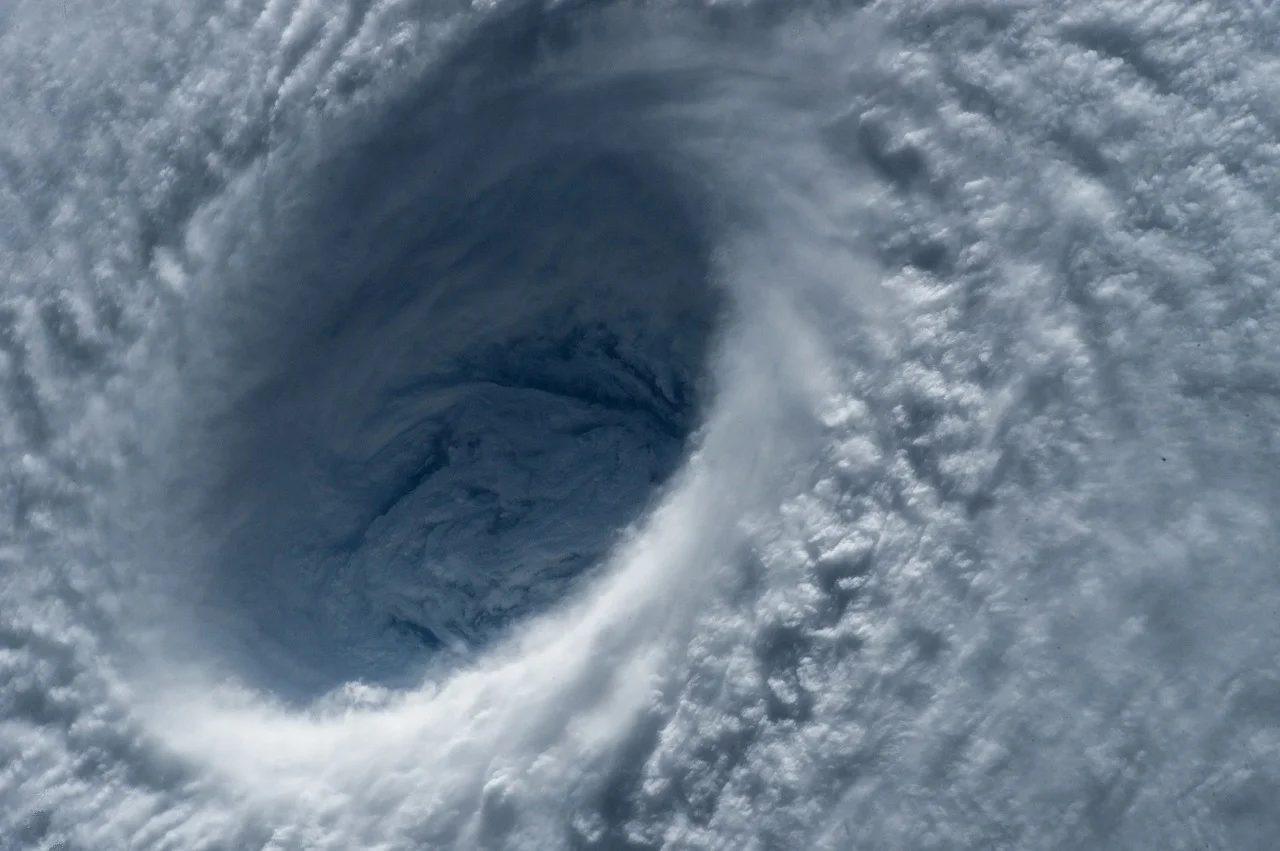
Beauty (almost) Takes Me By Storm

I am in Beauty but

in its calm eye.

Around me what winds

writhe in ecstasy,

spin around, around,

expecting me to join

the dance of pure being,

but I, being found

squarely in its center,

remain out without

seeing any way to enter.


I am basking in the beauty of a mild Washington summer. It is everywhere around me and I am in it. And yet I am always observing it, always looking in on it from the outside (or from the inside), able to almost grasp it and hold it but never able somehow to grab on to it, enter into it, truly taste it for what it is. How does one go about truly being fully present in the moment? How does one cease being a camera and become a part of the scene?

3 Comments

Mama Yellowjacket

July 24, 2019 Jeff Reed
https://pixabay.com/users/Sztrapacska74-8968314/

https://pixabay.com/users/Sztrapacska74-8968314/

I am afraid of you

and of all of those pupae

you carefully feed

under the eaves of my shed 

in that honeycomb

dome you call home.

I bought two cans of spectracide

last night in town for an oil

change and hurried back.

I sprayed the stream

of poison foam from

20 feet away, pretending 

I didn’t care one bit, 

ready to run at the sound of your 

desperate buzz.  But

you never even moved. Never

abandoned even one 

moment your tiny nest.

This morning I can see you

still standing vigil, frozen

in death, deaf to the

hungry and dying pupae

trapped within their toxic

cells. I tell myself 

I had to do it. You 

would be ruthless too

if I were ever to stumble

upon you. I must

be ruthless first. And now 

your chance is gone.

The alder trees are swaying

in gentle waves of wind gust.

The leaves are backlit

and glowing in late-day sun.

I watch the shadows lengthen

over my slightly safer lawn.


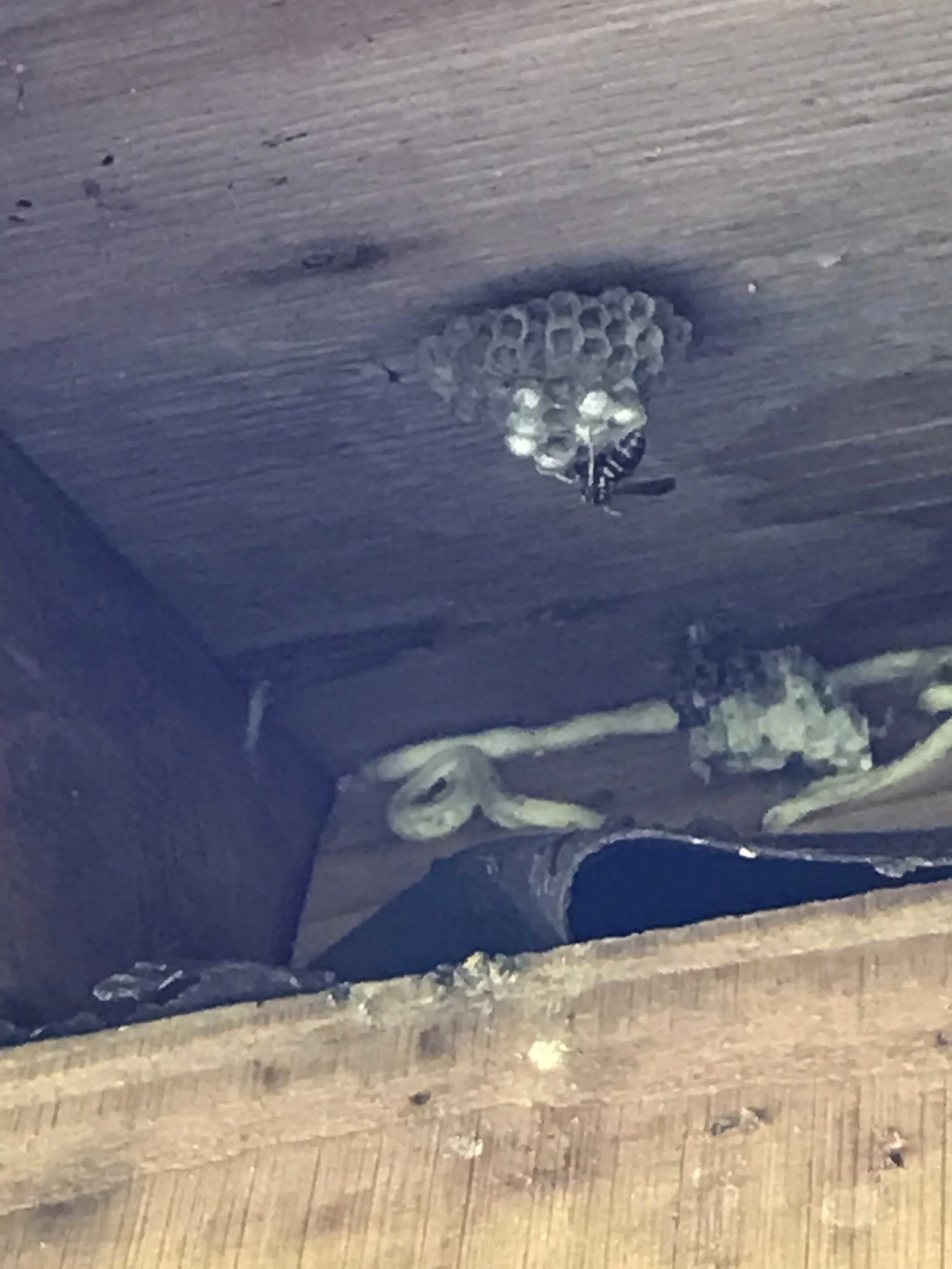
Here is the actual picture from my iphone of the unfortunate subject of this sad little poem:

IMG_0787.jpg
7 Comments
← Newer Posts Older Posts →

Powered by Squarespace

Subscribe

Sign up with your email address to receive new poems when they are posted.

We respect your privacy.

Thank you!