• Chiastic Poetry
    • Sea to Sea
    • Animagus Extinctio
    • Under a Runaway Throttle
    • Autophagy Briefs (2026)
    • The Strange Sum of Things (2025)
    • Butterfly Glory (2024)
    • Psalm 37 Menagerie (2023)
  • Poems
  • Songs
  • Books
  • ABOUT
Menu

Jeff Reed

1141 Bont Lane
Walnut Creek, CA 94596
Phone Number
Wind in the Reeds Poetry

Jeff Reed

  • Themed Projects
    • Chiastic Poetry
    • Sea to Sea
    • Animagus Extinctio
    • Under a Runaway Throttle
  • Lent Projects
    • Autophagy Briefs (2026)
    • The Strange Sum of Things (2025)
    • Butterfly Glory (2024)
    • Psalm 37 Menagerie (2023)
  • Poems
  • Songs
  • Books
  • ABOUT

To Know Joy Not as a Fleeting Moment but as a Moment by Moment Flood

June 25, 2018 Jeff Reed
boat-1620452_1920.jpg

All of the to-be-had-joy—

crammed like scribbled prayers

into every crevice of the

effervescent ever newlywed world—


can all be known

(every last and little bit of it)

in one tick of the second hand—

the entire tank of cosmic joy

flushed in one rush through a soul


wholly open to seeing the being one is,

one is in, from within it, as one is,

and there is no other joy than this.


All else is imitation,

shards of the imagination.


Gladly this download,

this dam break,

loud down cataract,

this sheer fact of the

onslaught of inexhaustible joy

can be repeated, second by second,


converging miniscule in the blink of an open eye

at magnitudes only saints seem to beckon,

only fools keep telling us to try.


As I was sitting on the shore of Lake Chabot today reading Christian Wiman's beautiful new collection of poems about joy, I suddenly desired to enter into the conversation with a poem of my own.  It struck me, watching the beauty of the wind on the lake, that joy can only and ever be experienced in the present moment, and that by being present to it.  If joy can only known in the present moment, it follows that all the joy there is to be had must be available in the flash of that one moment.  It follows that sensations of joy from memories or from hoped for things turn out to be echoes of joy, but not joy itself.  The stunning thought that follows is that all the joy I can ever hope to experience is theoretically available to me right NOW as I type these words, as you read these words, as you and I get up to go engage that next act of being in line for us.  Is that possible? And if it is, why are we prone to live lives of such diminished joy?

Photo Credit: HSchmider at Pixabay.com: CCO Common Creative License
1 Comment

Eye of the Whale

June 18, 2018 Jeff Reed
eye of the whale 3.jpg

Isn’t it a grace that the faces

of the flailing plankton can’t be seen

by the Baleen whales driven by their strong tails

swallowing whole swarms clean for dinner?


I swear if their terror could be detected

it might be some whales voluntarily select to

forego the whole meal out of a feeling of genuine empathy.


And then where would they be?

Kindness literally starving them to death

beneath a suddenly calmer compassionate sea.


Please don’t mention this to me.

I refuse to think about the six-pack rings

of unsnipped plastic that I just threw away,

or the other day how I left my towel


in a crumple on a hotel bathroom floor just to get a couple more,

not to mention the man I passed an hour before

without so much as a friendly glance,


hurrying home as I was  to my hoard, change my pants,

pay the piper for the chance to get this whale off my chest,

my reward for my work, here’s a bottle of wine

and a shrimp appetizer and some peppy TV time.


Eye of the Whale continues my series of poems inspired by various iconic arches with National Arches Monument in Moab, Utah.  Each poem explores some dimension of human becoming, just as each arch is formed by the long action of wind and water on the sandstone.  This poem explores the idea that we blithely continue in many of our actions because we do not take the time to see possible long term consequences of things that are apparently innocuous.  This poem was written primarily with the ear, playing with rhythms over a steady beat.  Read it out loud and see how the rhythms play on your tongue.  Listen to my recording below and you'll hear how I was hearing them play out. 

Photo credit: unknown.

1 Comment

The Fiery Furnace

May 28, 2018 Jeff Reed
utah-1802037_1920.jpg

In this sandstone labyrinth

wind insists on

bending my senses

into impotence.


Inches might as well be miles

as I pretend to swim

the space I am in

all the while drowning.


O for an aisle out to the green sloping lands

stretching open under lazy sky.

Might You descend, lend a hand,

send hope, a  life-rope lead


out of this maze to end

my senseless floundering?


I pass a point

I swear I’ve passed before

a dozen times and more absurd

will every cycle grind


unless I find the wind turned word,

the air turned breath,

the shadow become walking man,

the hollow space a wake that I can follow in,

a whisper I can hold on to with fumbling fingers

and finally understand.


This poem continues my series of poems that explore human becoming through the metaphor device of iconic sandstone formations in Utah's Arches National Monument.  

This is how the National Park Foundation describes the The Fiery Furnace hike:  One of the most popular and most challenging hikes in Arches National Park, Fiery Furnace spans a roughly 2-mile route between towering, maze-like canyon walls. Exploring it is a spectacular, otherworldly experience not without its challenges. Unlike many hiking trails, which feature steep climbs and high elevations, Fiery Furnace tests your ability to keep your bearings and find solid footing in a disorienting place. There are no trail signs or markers, and GPS units have a tendency to fail among the lofty sandstone walls. Navigating the difficult passages takes stamina, agility, and acute attention to detail.

The Fiery Furnace offers up a rich metaphor for the common condition of human lostness and disorientation. In the poem I inch toward the solution that we cannot untangle our own lostness and that we need divine intervention--but not some  abstract intangible intervention from on high.  Rather we need a divine guide to come in flesh (shadow become walking man)Whom we can actually follow and hold on to even with our fumbling fingers.

The name Fiery Furnace itself is an allusion to a story in the Old Testament of the Bible (in the book of Daniel) where three devout followers of God, thrown into a fiery furnace for refusing to worship an idol, experience God come and join them in person in their peril, the result of which was that not even a hair on their heads was singed.


Photo Credit: Pixabay.Com:  Creative Commons License.

Comment

Let Me Be Born

April 2, 2018 Jeff Reed
stack-of-spoons.jpg

Let me be born

morning-light against

this starless settling;


unbind me from barren

carriages;  set me down

barefoot on grass


at dawn when the dew

passes anew over

each bowed head,


where red butterflies surge

in and out about

the flowered mound,


unbound and dancing

free, far beyond

the tattered chrysalis.


Listen to this!—the song

of never-having-born-

weight-wings promises


fair scenes impossible

to see from where

I long have stood statue


in old weathered boots

nailed through the soles

to the cold ground


at the brow of the hill

where the wolf and the moon

hold the night like


a knife to a throat, like

an airless tomb, like

a spoon in a spoon in a spoon.


This poem is a revision of a poem posted some months ago.  I recently found the first draft of this poem and was drawn to it, over and above the revised poem I posted.  I had the privilege of giving a short homily at the beginning of the Good Friday Stations of the Cross last week at Christ the King Church in Pleasant Hill, and in my talk I explored  ways Jesus invites us "to come and die" with Him.  One of the ways we are invited to die is to name and cast off our various false selves -- false identities that we, over time, have adopted to cope with our various fears, shames, and angers.  I ended up reading a version of this poem as the ending to the homily.  The version I am posting here has further edits still. This might be one of those poems that never gets finished--which would be quite congruent with its subject matter, seeing how elusive it is to uncover and reject all of our various, subtle, and hard-to-part-with false-self layers.


Photo by Robert K. Hall.  https://www.smoothphoto.com.

1 Comment

Brave Side of Wild

March 5, 2018 Jeff Reed
outline-322492_1920.jpg

The saints here are lightning,

incisive slash across the grey keep,

flash of faith in the face of the tightening noose

wrenched loose and flung away

in the name of the coming New Day.


At every blow there is strong stand-up:

defiance of wrong, long reliance on the little

to whittle down the mountain, to forge

the treacherous pass at last,

and two swords is enough.


For the addict, human touch.

For heavy red earth, rusted

wheelbarrows.  For tumbling plastic

in the street, soil and seed.

For the Asperger child, a seat and a name.

For the rain, fire. For the fire, fuel.  

The pinnacle reached by rule of descent,

leaving skin behind on the barbed wire.


The saints here are lightning

on the brave side of wild,

a net for the discarded to form

a net for the discarded to form

a mosaic of the unheralded,

masterpiece of the absurd

poised aside the crowded roadways,

stretching along the lonely beaches

singing into the gusty wind

a song that cannot but be heard.


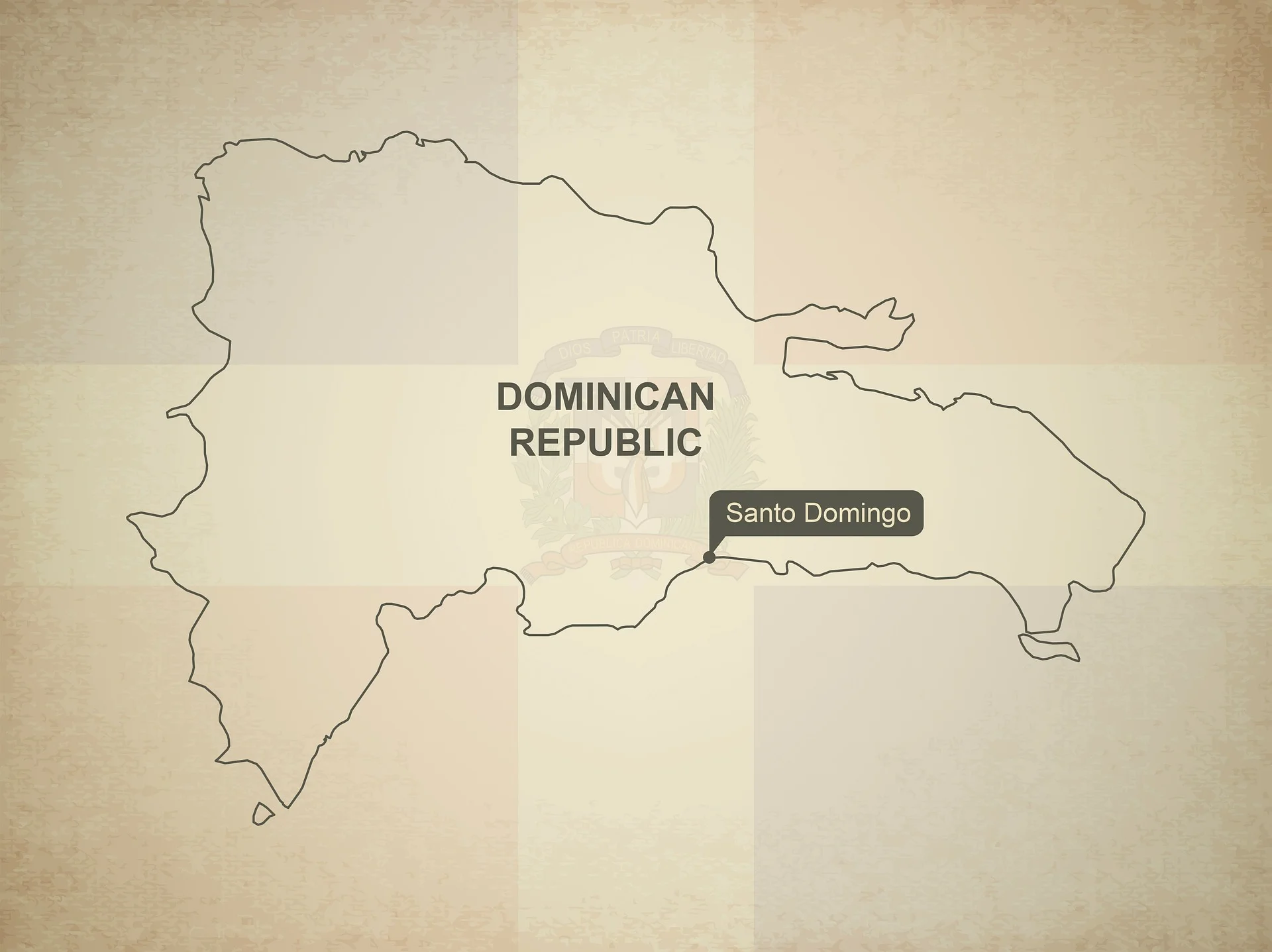
Having just returned from an inspiring week in the Dominican Republic learning from church and community leaders, I write this poem as a tribute to these unsung heroes--in particular, Ernesto and Altagracia Bathermy, pastors of Vision Celestial in Los Alcarrizos, and Rafael Hernandez, pastor of Iglesia Communitaria Cristiana in the colonial city of Santo Domingo.

Comment

Duke (2003-2018)

February 12, 2018 Jeff Reed
Duke.jpg

His motor was so loud

the vet couldn’t get


a read on his heart

for his annual chart.


I hope you know that

you did this to him.


Your soul affection

drew him like music


to knead on your blanket

and bask in your  Dolittle


kindness.   You were able

without even trying


to ignite in this tabby

the purr of a lion.


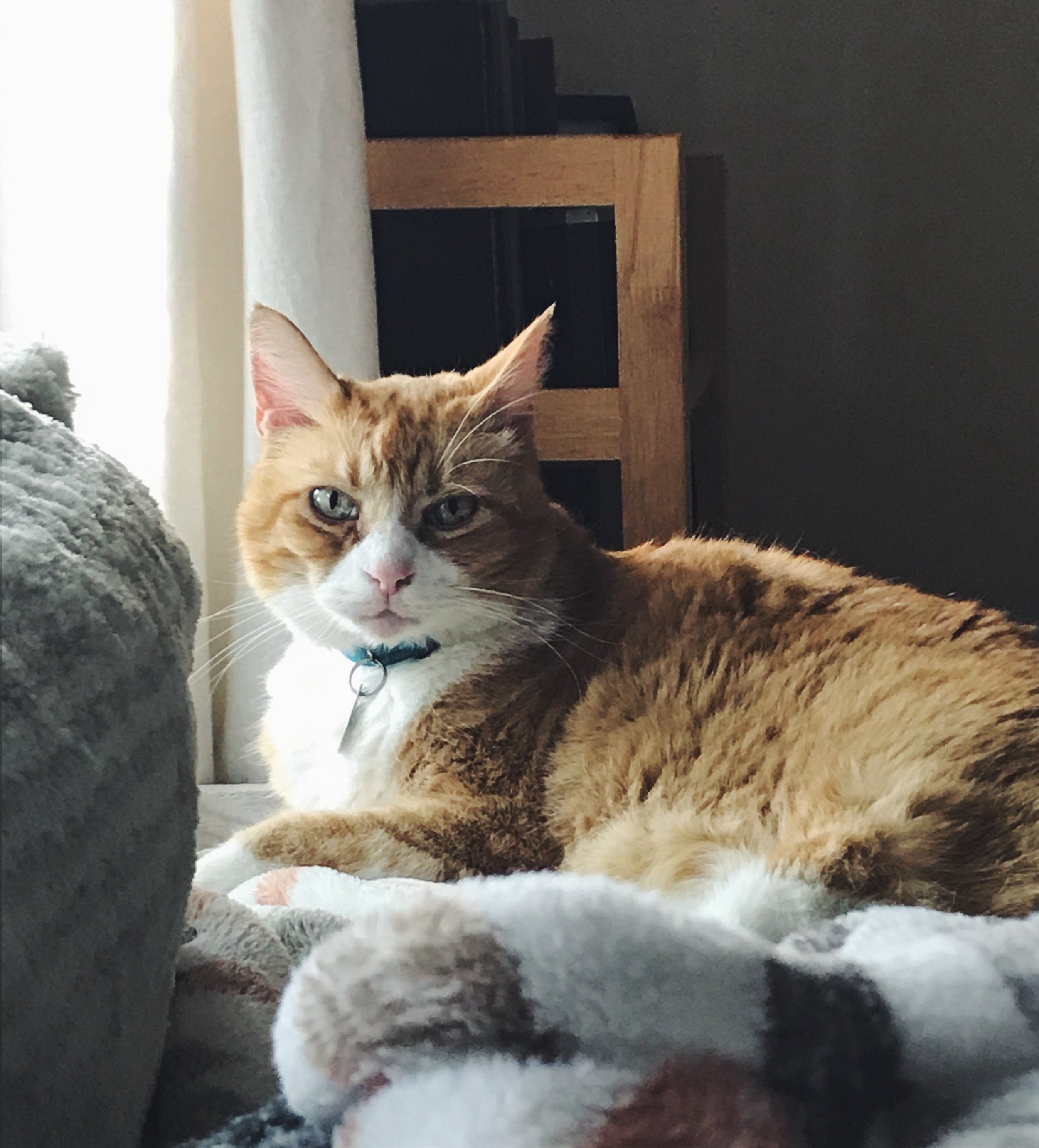
With tears and heavy hearts we had to say goodbye to Duke last week.  He was an incredibly affectionate cat, restless at heart, with a peculiar meow that sounded more human than feline.  Duke originally belonged to Susan's father.  When he passed away, we adopted Duke.  Duke must have had an ability to sense genetic vibes because he developed a very special attachment to Susan.  They were great snuggle-buddies.  This poem is a tribute to Duke, but even more, a tribute to Susan and her sweet love for him.


Photo Credit:  Randi Lynn, (Duke's other favorite family member) took this photo.


2 Comments

The Whole World Hangs a Fragile Spider Web

February 4, 2018 Jeff Reed
spider-web-1729194_1920.jpg

They found a tumor.  That is all she said.

Once again the tide of ill rolls in

as surely as the light at dusk will end.

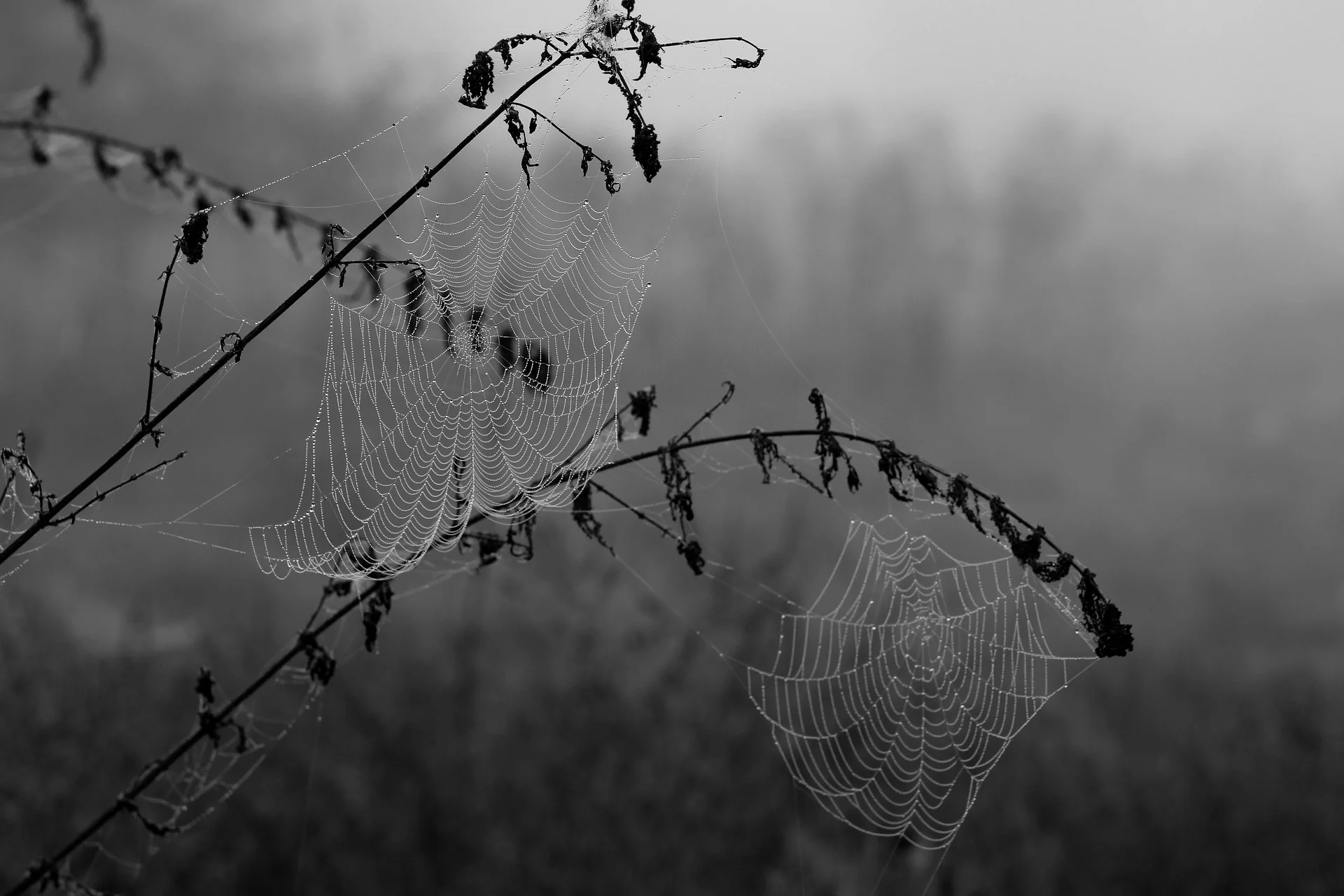
The whole world hangs a fragile spider web,

unimaginably thin, impossibly spread

between the weathered post of the leaning fence

and the low-hung maple branch, suspended

vulnerably in the space of constant threat.


Thunder now. The afternoon showers fall

with sudden gusts of eviscerating wind.

The threads of web buffeted by the all-

out onslaught are pressed to break up in

the crush of the rushing pressure a thousand-fold…

and yet.  And yet by God, my God, they hold!


Photo Credit: Pixabay.com.  CCO License. No attribution required.

2 Comments

Summons

January 29, 2018 Jeff Reed
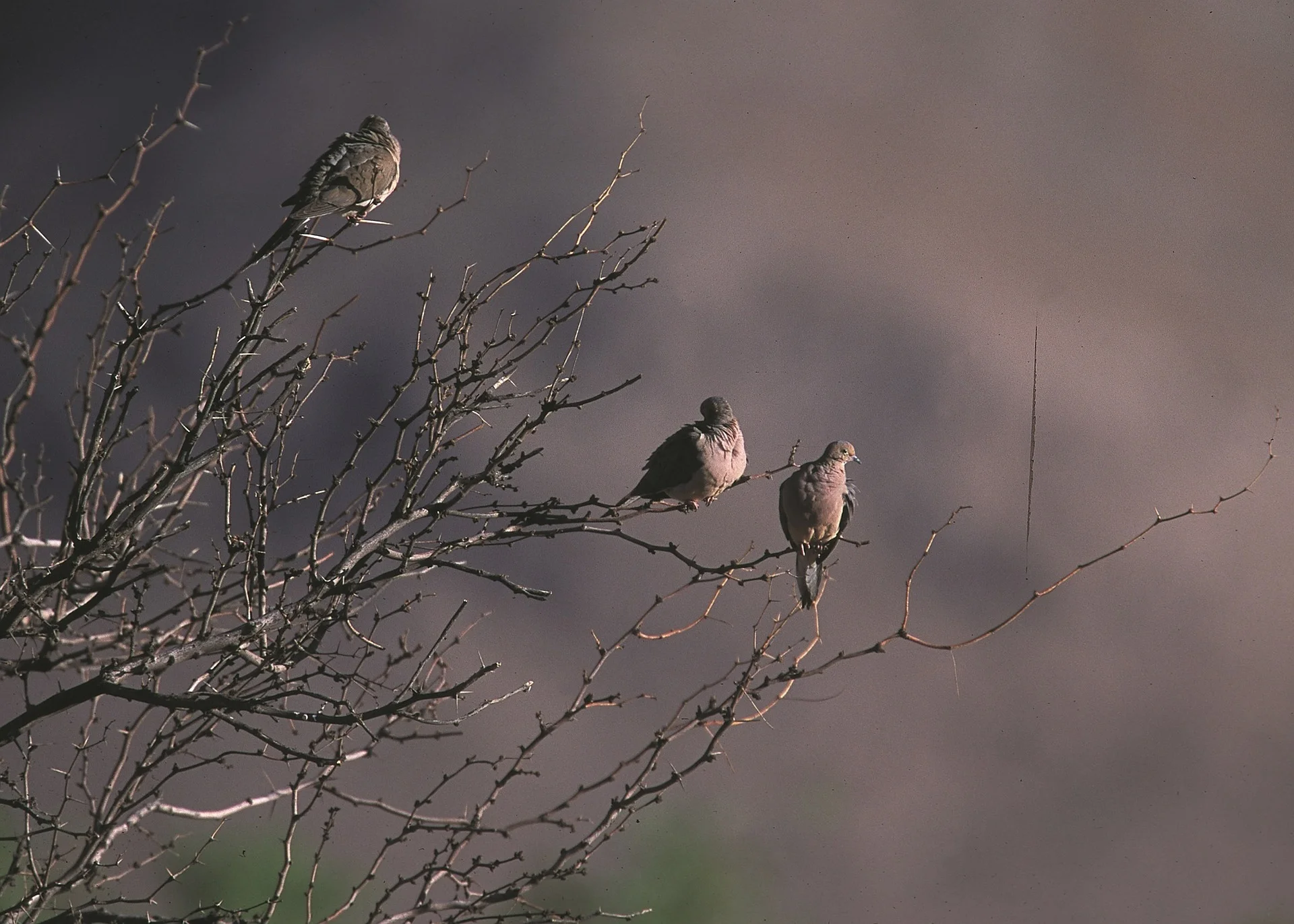
mourning-doves-591586_1920.jpg

When evening brings the first

flutter of warm summer breeze

rustling the tops of the trees,


fly, Dove, toward the faint

wisps of morning, an orange-rose

 you have not yet known.


The early wind can bear

your weight, can carry you, Love,

can carry you all the way home.


Photo Credit: "Skeeze" on Pixabay.com; Creative Commons License; no attribution required.

Comment

Skull Arch after a Starry Night

January 22, 2018 Jeff Reed
skull-arch-906262_1920.jpg

Staring out these sockets

at the dark spring green deep in this leaf,

its moist ribs limning morning light,


I weep for what I must have missed

swimming as I was through life

while thinking I was dry,


oblivious to the wealth of wet,

the sheer depth of extravagance

beneath the surfeit sky.


I would cry now if these caves,

these empty spaces

which once held unseeing eyes,


could produce the tears they failed

to yield the long myopic years

I passed a field, spare and simple,


seemed so little then, but now a feast,

as much a masterpiece as Van Gogh

to some random scribble.


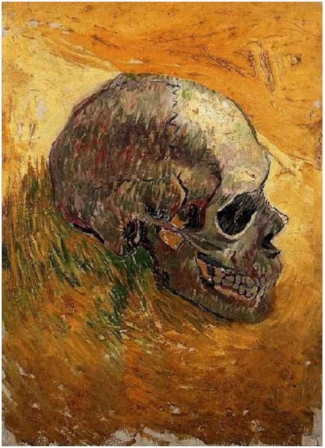
                 Skull by Vincent Van Gogh (1887-88)

                 Skull by Vincent Van Gogh (1887-88)


Skull Arch after a Starry Night continues my series of poems on human becoming using famous sandstone formations in Arches National Monument as metaphorical jumping-off points.  In this poem I am imagining the speaker looking wistfully back on his life after he has physically died, regretting how much he took life in all of its variegated abundance for granted.  Van Gogh, it turns out,  has three paintings that prominently feature the skull.  Starry Night is not one of them, but as it is one of his most famous paintings, I use it in the title as a shorthand pointer to  him.  I like this quote of his: “If I am worth anything later, I am worth something now. For wheat is wheat, even if people think it is a grass in the beginning.”  May we not miss the wheat of the world now while we have the chance to know it as such.

Photo credit: Skeeze at Pixabay.com: Creative Commons License

1 Comment

Maranatha, Cries the Beloved

January 13, 2018 Jeff Reed
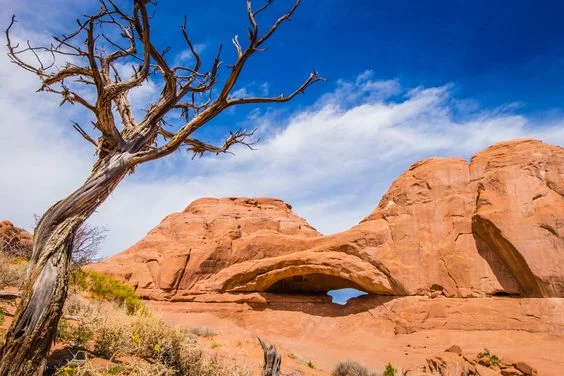
rock-arch-874766_1920.jpg

The weeping continent is held in the sky

                for all to see

as the moon, unhinged and unbalanced,


falls toward the ocean of unheeded cries,

                a chaotic sea

of garbage plastic and blood-red currents.


Where were the archers in the guardian turrets

                defending their see?

Now vindication for justice unclaimed


comes on the wind, a champion, urgent

                as emergency,

white horse riding and eyes alive with flame.


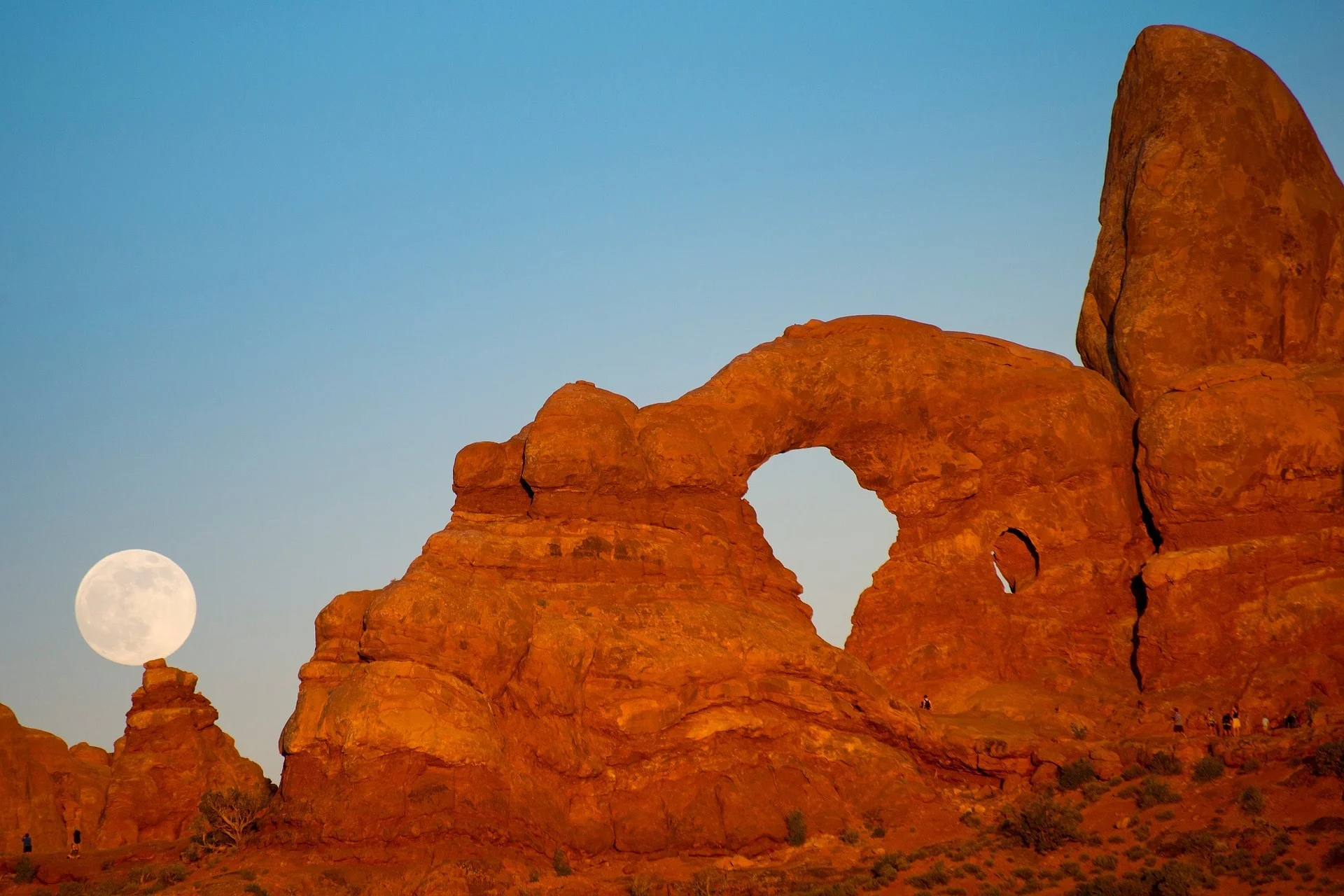
I continue my exploration of themes of human becoming using the sandstone formations in Arches National Monument as ekphrastic poetry prompts.  I was struck as I looked at this image of Turret Arch to see the rough shape of the continent of Africa in the arch space.  That sparked memory of Alan Paton's 1948 novel Cry, the Beloved Country.  That sparked the theme of the dehumanizing reality of long-unaddressed injustice, and just how core is the cry for justice in the human heart.  And that sparked the Biblical image of Revelation 19:11-16, a promise of justice coming at the hands of One able  to execute it purely, the One who Himself was executed unjustly, the One who forgave His executioners, and the One who promised to make things right one day!  Maranatha is an Aramaic word that means either "O Lord, come!" or "Our Lord has come!"

Photo Credit: Skeeze on Pixabay.com:  Creative Commons License

Comment

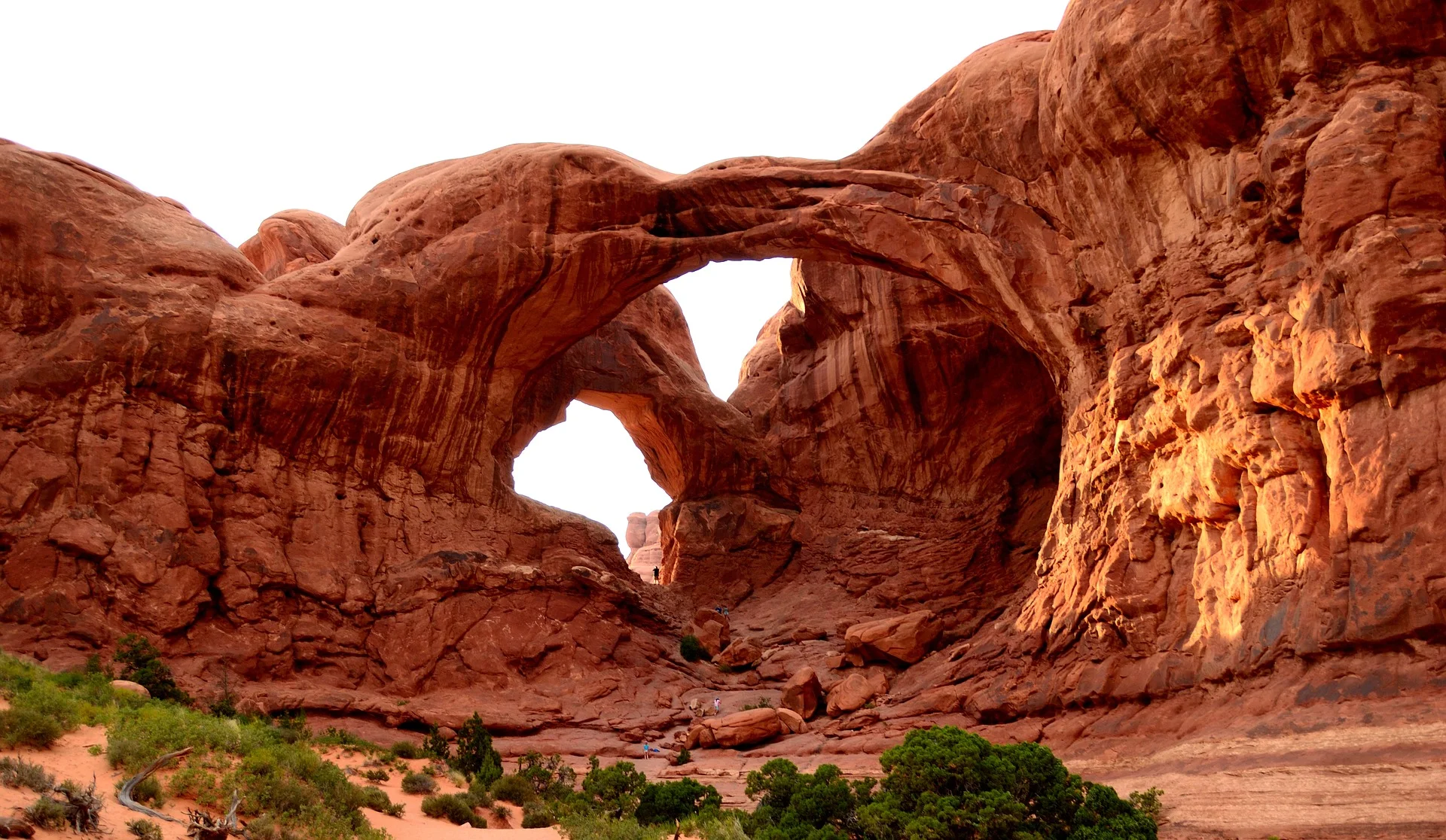
Two-Faced Wind in Double Arch

December 30, 2017 Jeff Reed
arches-1565354_1920.jpg

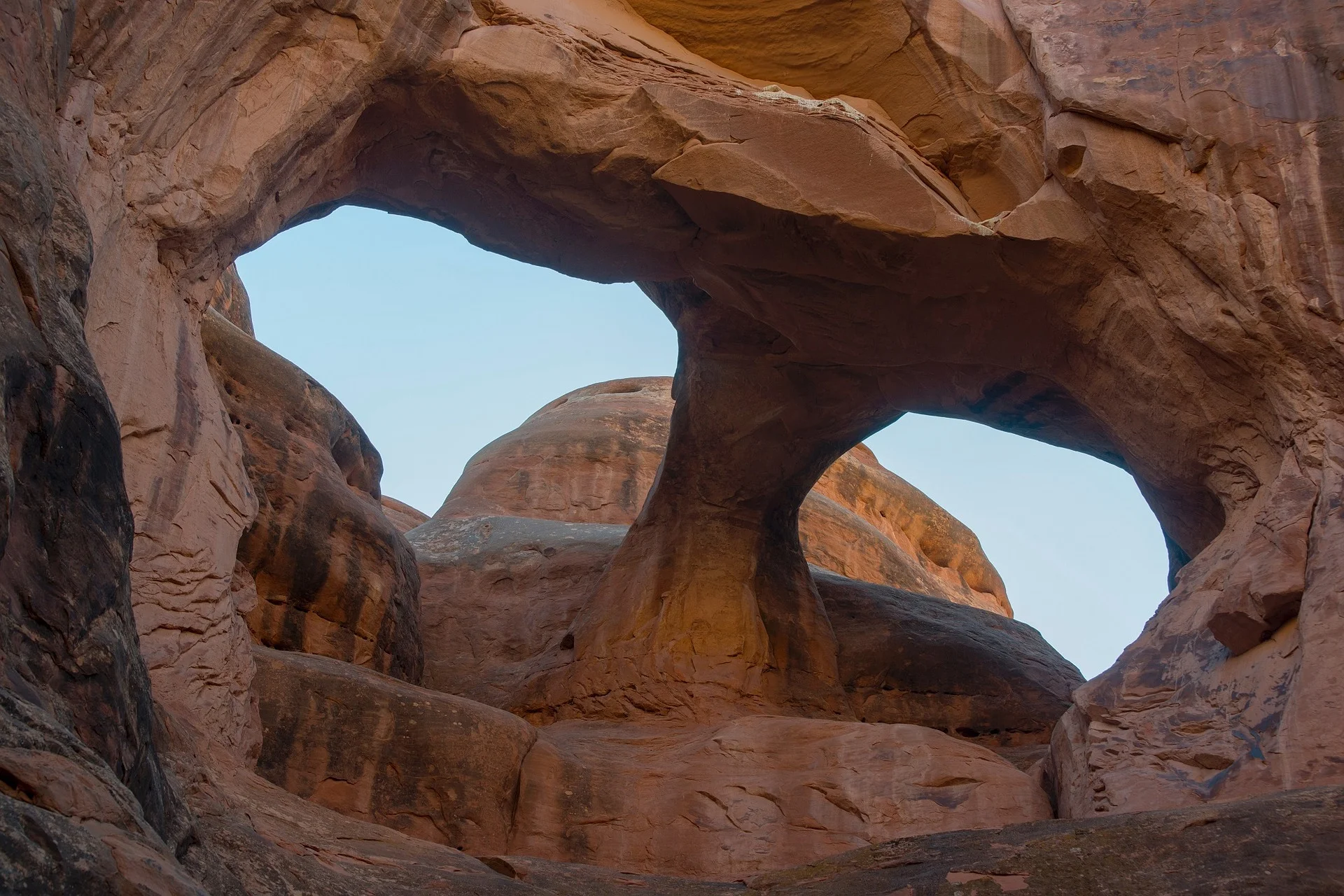
The wind in Double Arch proves

its agility, its ability to keep

its two-faced Aeolian engine

sending currents curling through

on the way to dust-devil mischief

while lulling the slender lip fern to sleep.


Double Arch reminds me of Ecclesiastes 7:18: "It is good that you should take hold of the one without letting go of the other; for the one who fears God comes forth with both of them."


Photo Credit: Lincolnhuseby at pixabay.com; CCO Creative Commons License

1 Comment

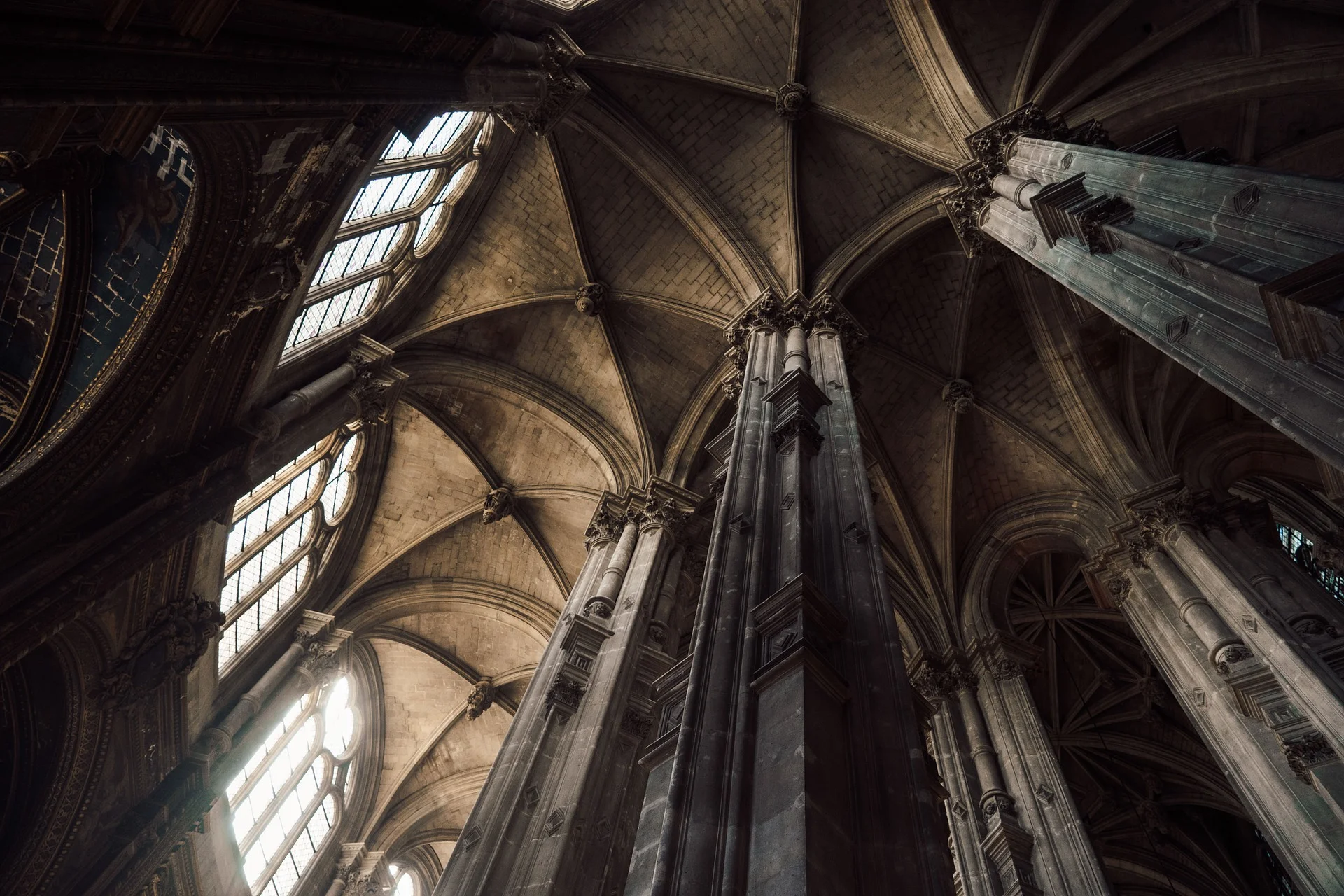
Cathedral Christmas Concert

December 18, 2017 Jeff Reed
abbey-1851493_1920.jpg

The melody of the trebles

twirled like a medieval

dove through the high space

of the ancient cathedral.


The crowd sat in rapt attention,

wrapped up in the other-worldly

spell of the boy sopranos,

magicians of the Christmas carol sing.


Their words were lost to rounded

vowel and elusive reverb of stone,

a trade-off no one lamented seeing

it was for the mystic feeling alone


we had come.  For that fix of peace.

For something old (and being old

an anchor).  But the articulated—

word by word by word a story told—


this was drowned in the sound,

these bounced off ears the way the soaring

notes ricocheted from concrete arch

to arch above the mottled marble floor.


We enjoyed an exquisitely beautiful concert at Grace Cathedral yesterday, a special Christmas concert performed by the cathedral's Men and Boys Choir.  I was struck by two things: the absolute mystic beauty of the music, and my inability to aurally distinguish the words being sung (if not for reading along with the printed lyrics in the program bulletin).  I observed the warm and welcome receptivity to the music.  I wondered if such receptivity was also being extended to the substance of the words being sung, or if the hard-to-decipher nature of the sung texts was a metaphor for the fate of the Christmas narrative in today's public square which, while in its essence a revolutionary and mind-blowing assertion of the radical God-come-to-earth story, has been turned inside-out into a vague anesthetic cliche that produces general feelings of warm sentiment without any vital connection to the actual story.


Photo Credit: Pexels, Pixabay.com, CCO Creative Common License

2 Comments

So the Old Song Goes

December 11, 2017 Jeff Reed
woman-1585590_1920.jpg

Like a winding staircase your stare knows

how to penetrate the depths of me.

I think I love you, so the old song goes.


My fierce unconscious hiding habit owes

its strength to my particular history,

a long winding staircase. Your stare knows


how to bypass all the well-armed rows

of guardians in my secret galaxy

I think.  I love you, so the old song goes,


because your raid has opened what was closed,

an unexpected doorway to break free

up a winding staircase—your stare.  No is


impossible as now between us flows

the delicate magic of transparency.

I think I love you so!  The old song goes


on and on, a fact itself that shows

what is true will last eternally

like a winding staircase.  Your stare knows,

I think, I love you.  So the old song goes.


This poetic form is called a villanelle. It is marked by a strict pattern of the alternating repetition of the first and third lines of the opening stanza,  and it only allows a total of two end rhymes throughout the entire poem.  My goal in this poem was to try and achieve maximum variation with the repeating lines in language that sounded as natural as possible.  It was also a chance to give a shout out to David Cassidy (1950-2017) who passed away at the end of November.  He made famous the song I Think I Love You (written by Tony Romeo) back in the Partridge Family days of the 70's.


Photo Credit: Chris Carroll, Pixabay.com, CCO Creative License, no attribution required.

2 Comments

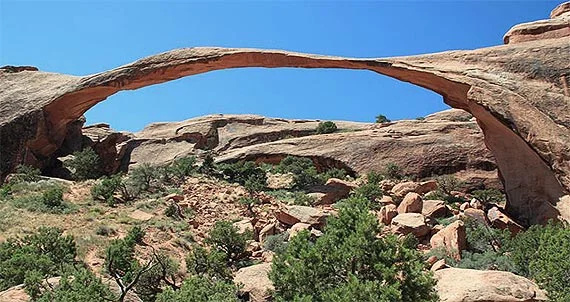
A Thinned People

November 25, 2017 Jeff Reed
Landscape Arch 3.jpg

Such we are, a thinned people

stretched by demands

rival and incessant.


Sinister whispers of evil

are easiest to reprimand

even in acquiescence.


Self-promotion gleefully

disguised as virtue grandstands

its repeat of adolescence.


Suffering love with equal

tenacity calls for hands

to serve with time and presence.


Silky entertainment wheedles

the airwaves and band-

widths with perpetual effervescence.


See how Landscape Arch cradles

its own debris of sloughing sand-

stone—inevitable evanescence.


Landscape Arch in National Arches Monument is reported to be the fifth largest natural stone arch in the world registering a length of 290 feet and 6 feet thick at its thinnest point.  Three times in the last thirty years large rock chunks have sloughed off the underside of the arch causing park officials to permanently close the official trail that used to pass underneath it.

Being stretched thin is a common metaphor in today's busy world.  The things we choose to cling to have power to shape us.  As well as does the very fact of choosing to cling to things simultaneously contradictory and pulling in opposite directions.


2 Comments

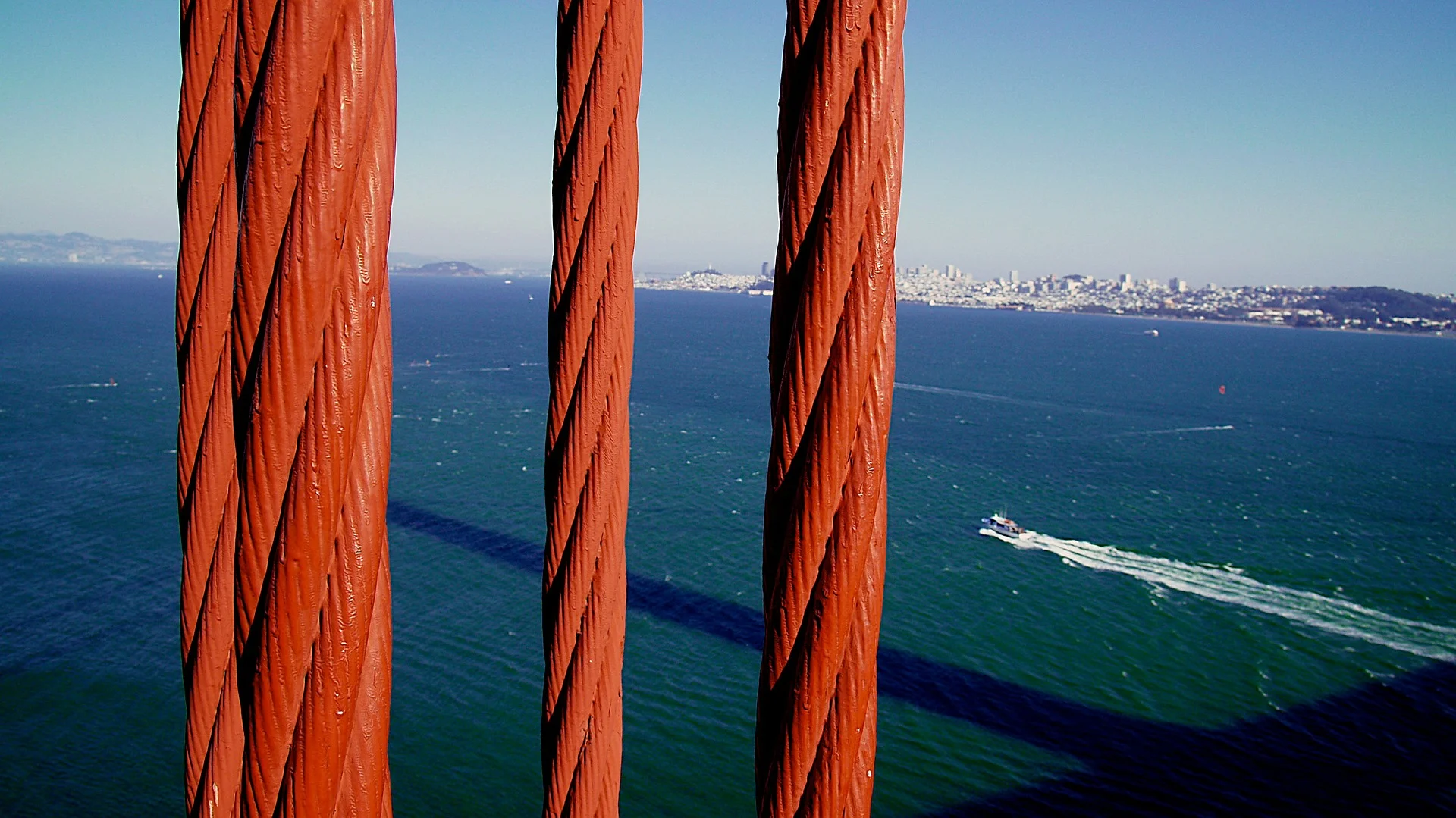
Painting the Golden Gate Bridge

November 13, 2017 Jeff Reed
golden-gate-bridge-640357_1920.jpg

To call any moment

the finishing touch

obscures the truth

by saying too much.


A day’s job done

can be said, and is true,

through the fog of constant

déjà vu.


Every brush stroke

is at once its own end

and at the same time

a beginning again.


Painting Golden Gate Bridge.jpg

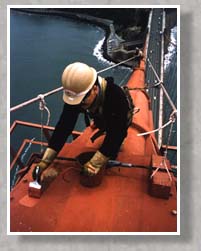
There are a couple of misconceptions about how often the Bridge is painted. Some say once every seven years, others say from end to end each year. The truth is that the Bridge is painted continuously. Painting the Bridge is an ongoing task and a primary maintenance job. The paint applied to the Bridge’s steel protects it from the high salt content in the air which can cause the steel to corrode or rust (www.goldengate.org).

I find this to be true about my life.  I often live with  the hope for arrival, always to find that my long-awaited destination is simply another launch pad in surroundings that are eerily familiar.

Top photo credit: jsnewtonian, pixabay.com; CCO Creative Commons License

Comment

Tower of Babel

November 6, 2017 Jeff Reed
arches-national-park-2646472_1920.jpg

From the top ledge he calls down

for another brick,

for another bucket of mud


but the rope remains limp.

Gone the art of exchange,

that raw material for love.


In its place the attempt

to convince with words

no longer making sense.


It is no light thing to breach

the cauldron from directly

beneath its innocuous  swing.


Blinded Samson prays

between the carved columns

of our competence


as the loud music masks

the shaking in the walls.

And Icarus on clever wings


whips his silent shadow

along the ribbed fin

of Moab’s sandstone Babel


rising  from the desert floor

like an old sword unsheathing

from its scabbard, agile


and poised  to swing wide

and slice open the sky,                                                                           

to spill its hot oil


on the scurrying scorpion,

on the unsuspecting serpent

caught asleep in its coil.


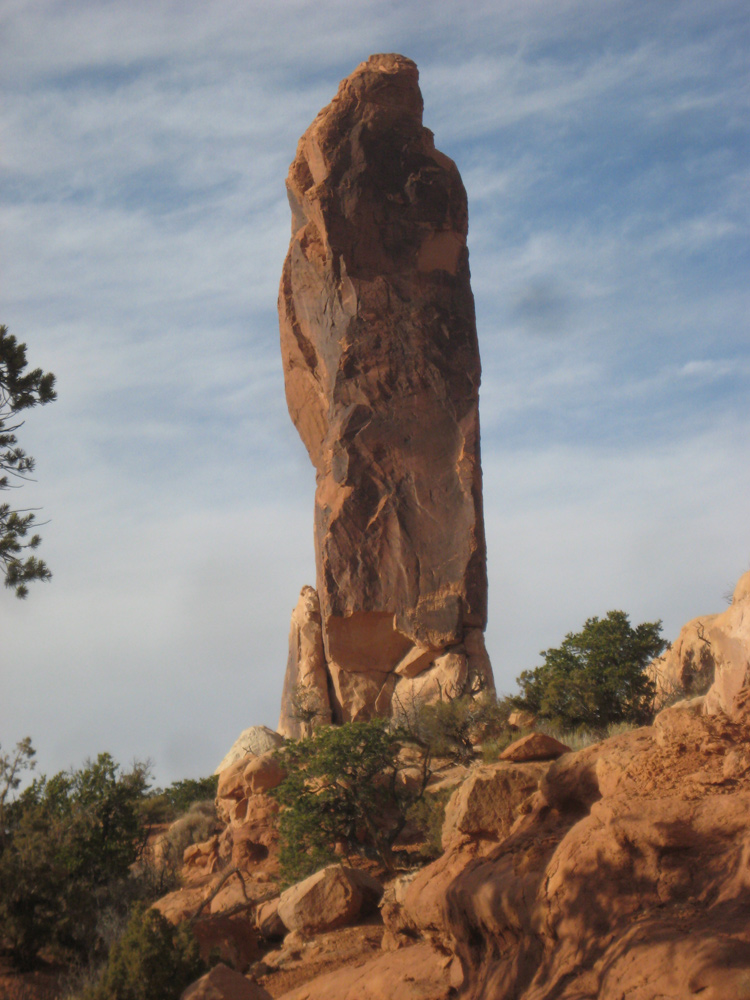
Tower of Babel, one of the several sandstone fins that make up the Courthouse Towers of Arches National Monument, affords this musing on the perennial temptation for humans to reach beyond and into the realm not given for humans to meddle.  Is it an affront to the modern human to suggest that there can even exist such a realm?  I think it is.  But branches in the very tops of trees are not known for holding the weight of the those who desire to swing there.  And we should be very careful indeed to puncture the cauldron hanging directly over our heads when we are not at all sure what is about to flood out! 

Photo Credit:  Ambarry1975 Pixabay.com:  CCO Creative Commons license.


Comment

Delicate Arch on the Brow of the Hill

October 30, 2017 Jeff Reed
delicate-arch-896876_1920.jpg

Delicate Arch on the Brow of the Hill


curls upon itself to become

a gateway to the mystery of the world.


Pass through, all you fearful and timid.

Soon the dance begins out in the open unsafe plain.


Come, you arcane seekers of light.

The sunset shadows behind every rock are ready to tell their stories.


Pass through, weary refugees.

There is no line in which to wait, no papers, no scowls, no pleas.


Come, mechanics and makers of tools.

Breathe the delicate air between the ever before and after.


Pass through, scientists of every stripe.

Survey what can be explained and leave the rest to rest.


Come, you prophets of locust and leather.

Paint again the picture of what awaits on the other side.


delicate-arch-896885_1920.jpg

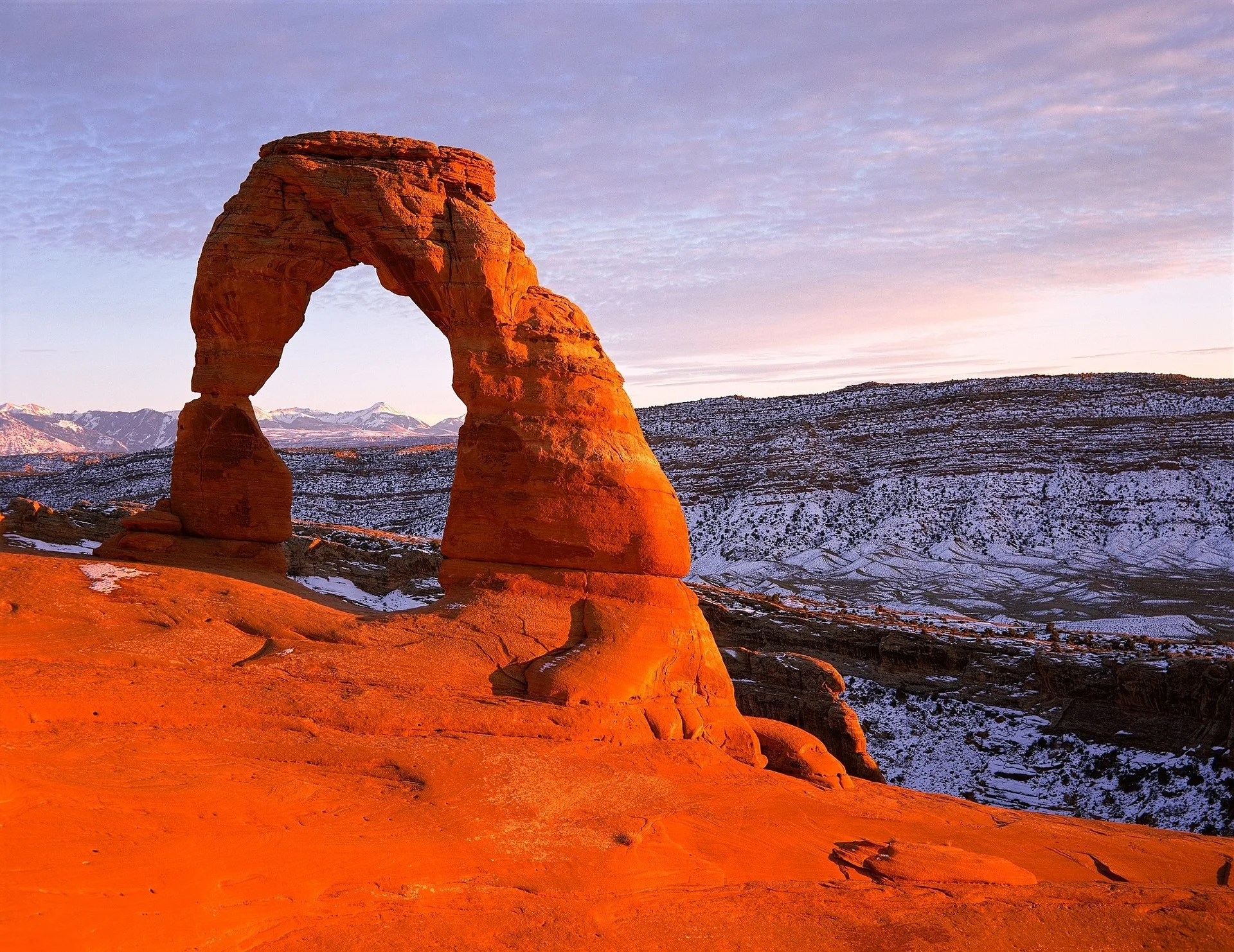
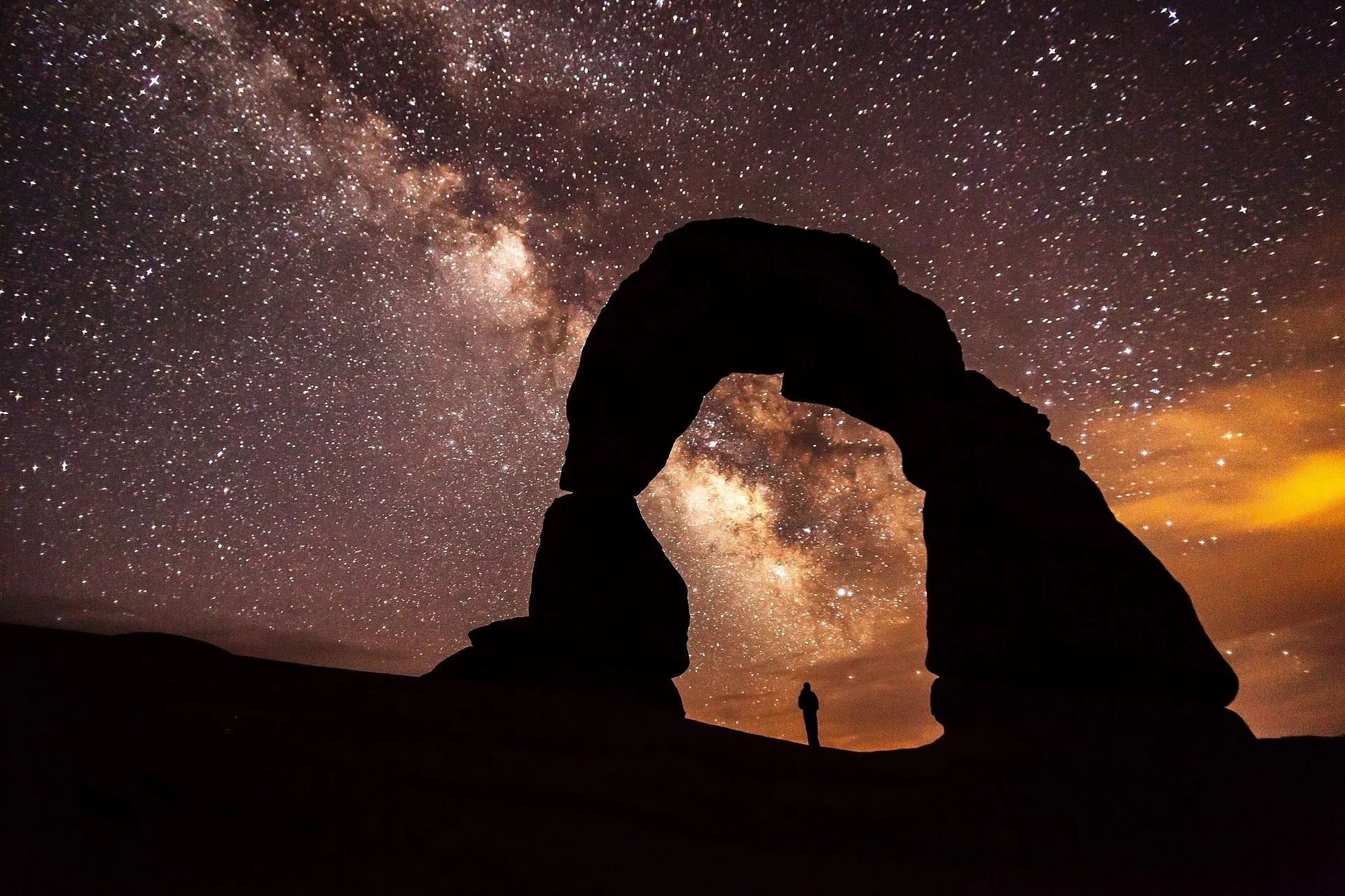
Delicate Arch is perhaps the most iconic sandstone formation in Arches National Monument.  Its compelling beauty speaks for itself.  It strikes me as a portal opening up to realms and dimensions beyond our control, beyond our analysis, beyond our comprehension.  Part of human becoming is grappling with our finitude, and finding in the humility of our limitations an openness to what is bigger than us, beyond us.  For some that is a fearful notion.  For me I hear the invitation of a Father calling us "further up and further in" (as C. S. Lewis so memorably put it).

Photo credits: both images are from Pixabay.com, permission granted under CCO Creative Commons License. These particular images were posted by "skeeze"

2 Comments

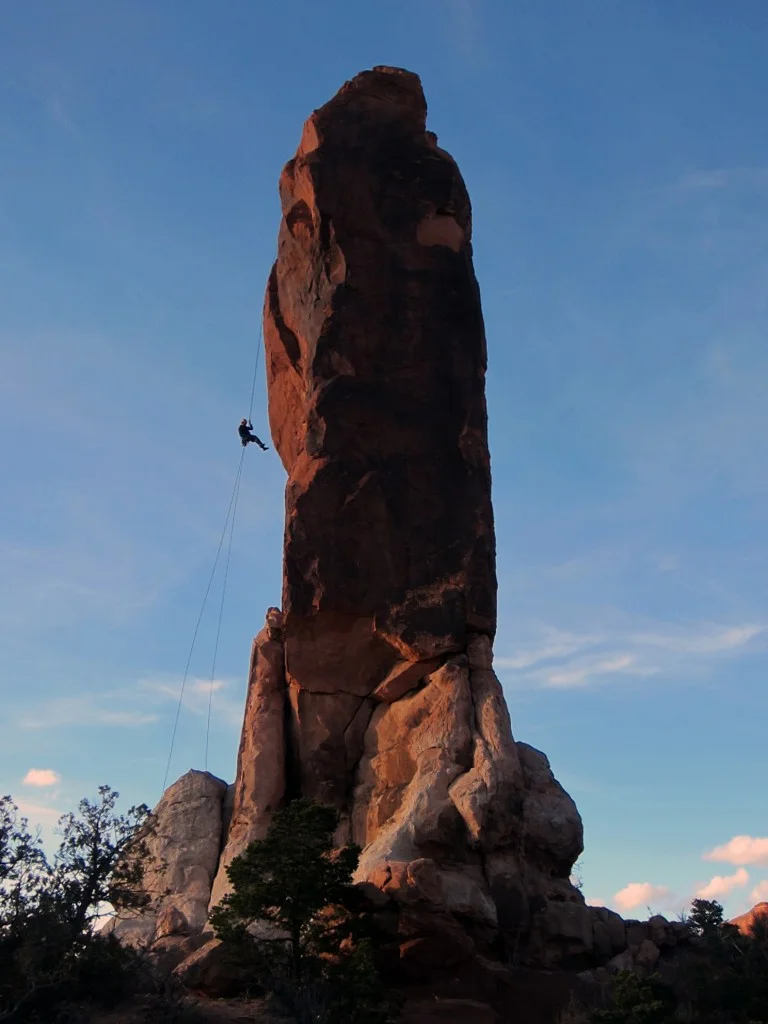
Climbing Dark Angel

October 23, 2017 Jeff Reed
Dark Angel 2.jpg
Dark Angel 4 Rapelling.jpg

Dangling above the desert floor

like a spider on a web strand in a strong wind,


I wonder the wisdom in having chosen

as my anchor that which answers to nothing—


drawn to the solitary sentinel

with nothing in the night watch to watch over.


Does a falling body thud

if there’s no one in ear shot of the impact?


And what of the exalted shout

upon claiming the summit? Is that silent


too, high on the head of Dark Angel

at the point of the pillar aimed up at heaven


(criss-crossed with crevice and miniscule crack

by the whipping of the wind-driven rain lash


unimpeded by shield or screen)?

This is the towering inverted dungeon


impertinent, impenitent,

its old language languishing, left as a relic,


ever enamored with the whistle of wind

(which whets its blade beneath its sound)


singing the end of need, of relishing

thinking of never again having cause to bow down.


Climbing Dark Angel continues my series of poems inspired by famous sandstone formations in Arches National Monument, a project which aims to reflect on the nature of human becoming by exploring rich metaphors that these formations (and their colorful names) offer.  This poem explores the dark side of rejecting community, thinking of the daring rock climber who prefers to scale the cliff wall alone.  In Biblical imagery the "dark angel" conjures up Satan, the beautiful angel who preferred autonomy to submission in God's glorious company (Better to reign in hell than to serve in heaven, says Satan in Milton's Paradise Lost).  The poem also alludes to the infamous Tower of Babel (Genesis 11) which also serves as a symbol of the allure and the curse of seeking independence, of relishing the thought of never having to bow to anyone or anything. The results of such independence are not all they are cracked up to be (pun intended!).


2 Comments

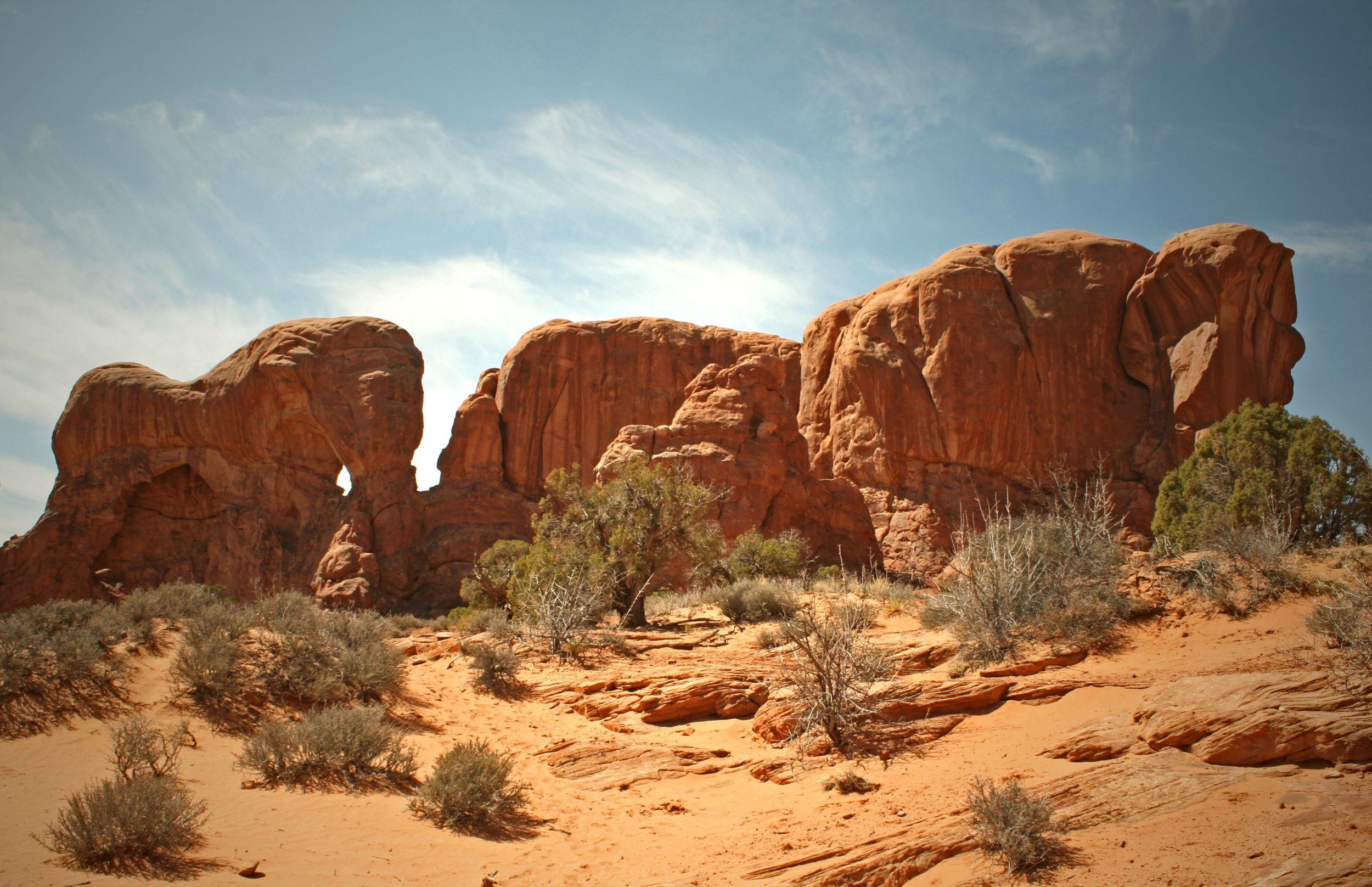
Parade of Elephants

September 25, 2017 Jeff Reed
parade of elephants 2.jpg

The heat is juddering the panorama awake!

All the world is shimmer and shake


standing in front of the elephant parade

thundering down the desert scape


away from the secretive hunters of ivory,

away from the circus and drunken street clowns with their


whips and prods and chains.

Rise up, great ones, once again!


The Moab tribe is calling worldwide

for the elephants to assemble an unbroken line


heads shaking, trumpeting resistance,

circling the wounded, regathering the children,


trampling the profits the abusers have made

and setting in sandstone a justice parade.


This poem, after a long hiatus, continues my project of writing poems inspired by famous sandstone formations in Arches National Monument, Moab, Utah.  The Parade of Elephants formation brought me back to last summer when my kids and I visited an elephant refuge preserve in northern Thailand and we encountered first-hand elephants rescued from abusive contexts.  

3 Comments

River that Runs Upward

June 5, 2017 Jeff Reed

May your love be a rebel

river that runs upward


away from the salty mouth

of the insatiable ocean,


up, up the incremental slope.

May your swift currents rope the hills;


may you upstream with the motion

of the head-strong salmon


ascending through the boulder fields

into the narrowing canyons,


scaling the tall falls like a parade

of water striders climbing the curtain.


Wind toward the glaciered peak,

carving channels through the snow


as you go higher until you lasso the summit!

Gathering speed, summon your last push


to rush the pinnacle, and at the tip

of it launch an inimitable


explosion of droplets and spray

in a never-before-seen array of


bright ribbons braiding the clouds

with pearled bands curling spaceward,


there beyond the world noise, His voice

come clearer, nearer, and your love a revel river


buoyant with joy, elegant with scars,

translucent in the light of the stars.


This poem is for my son Ren and my new daughter-in-law Caroline on the occasion of their wedding, June 3, 2017.  I had the incredible privilege of serving as their minister, and I read this poem to them immediately before they spoke their sacred vows to one another.  The poem is inspired by Romans 12:2: "Do not be conformed to the pattern of this world, but be transformed by the renewing of your mind."  It is a prayer that  they will follow the counter-cultural river of giving over grabbing, self-emptying over self-preference, laying down their lives for one another in the same way Jesus laid down His life for the world.


Comment
← Newer Posts Older Posts →

Powered by Squarespace

Subscribe

Sign up with your email address to receive new poems when they are posted.

We respect your privacy.

Thank you!